Best Time to Visit Sikkim, Month by Month
Sikkim month by month: Gangtok’s rain and temperatures from IMD records, when the mountains show, when snow and rhododendrons come, and which months can shut the high roads.
The short answer
October to December are Sikkim’s clearest months, with about 2–8 rainy days a month in Gangtok; snow is surest January–March, and rhododendrons bloom April–May.
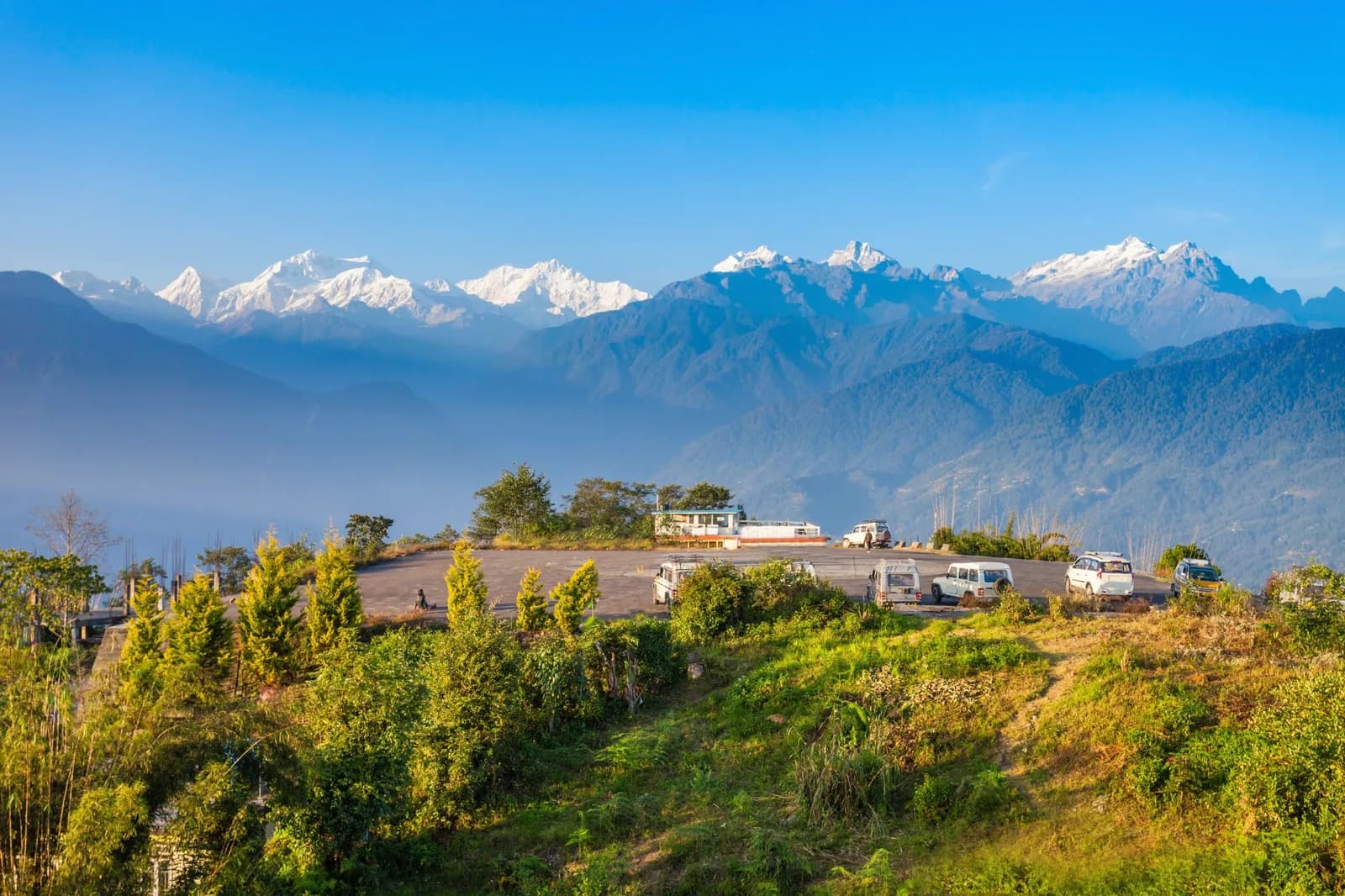
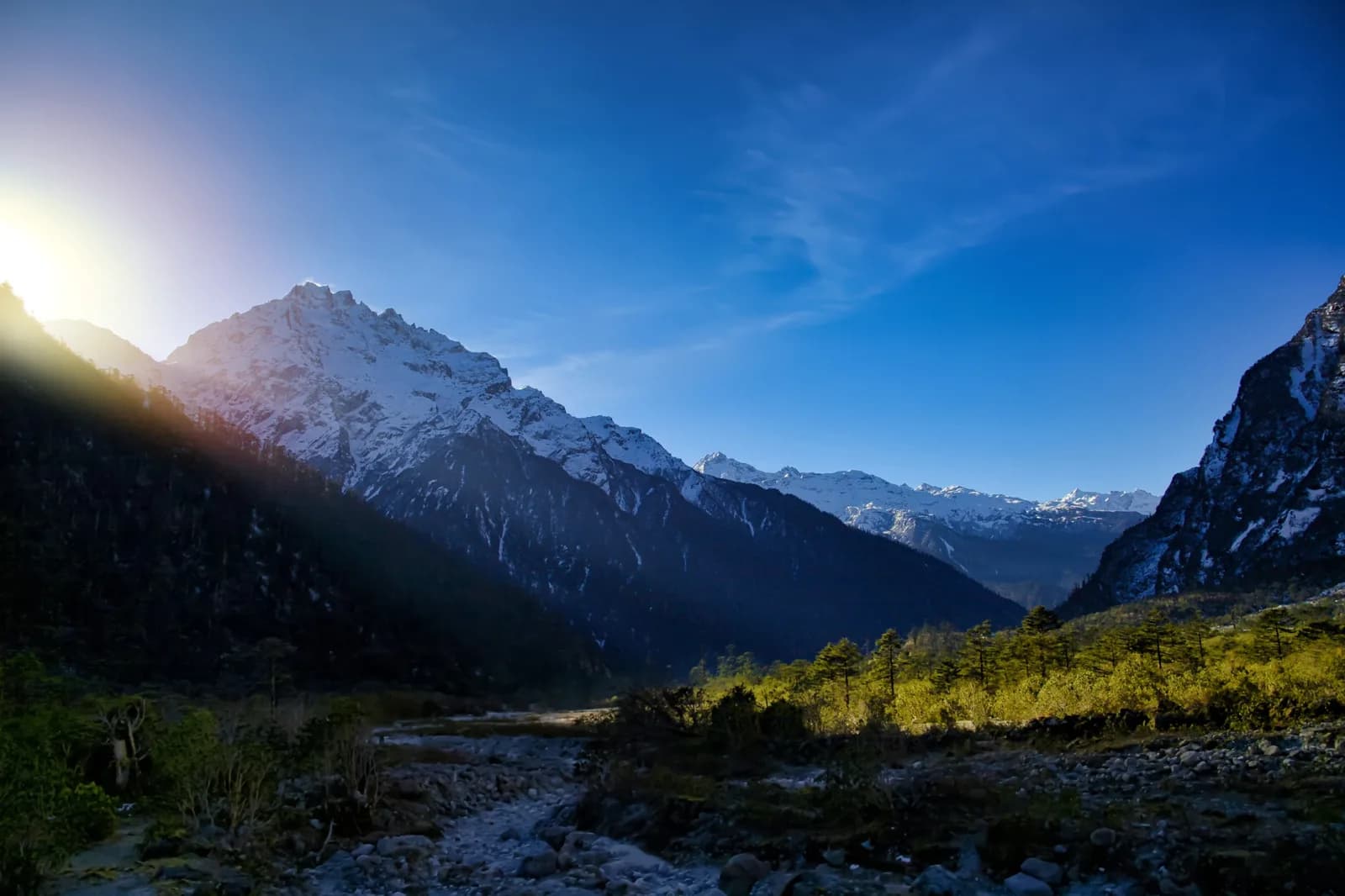
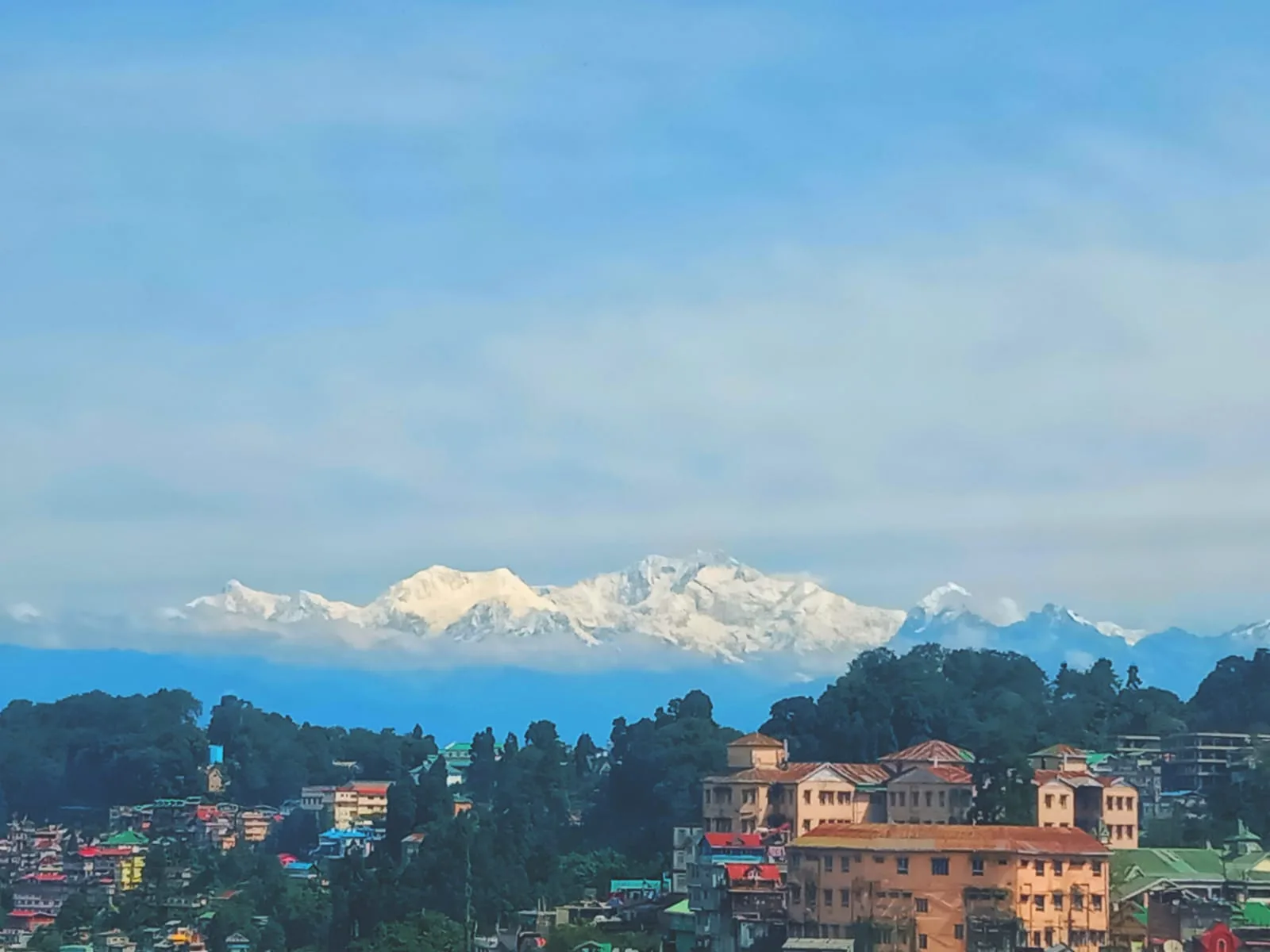
- For clear mountain views, go from October to December. Gangtok averages about 2 rainy days in each of November and December, and Kanchenjunga is usually in view from October.
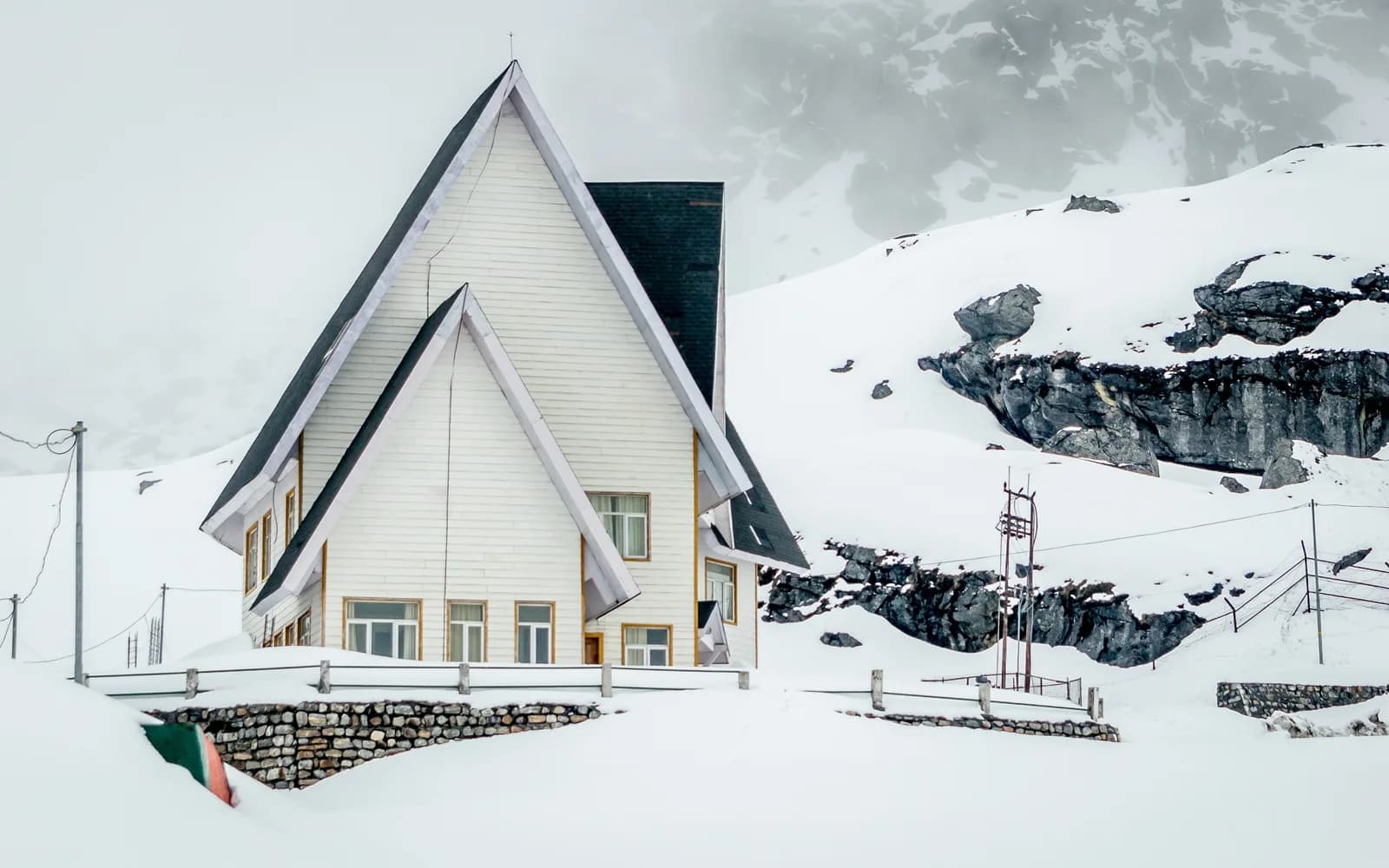
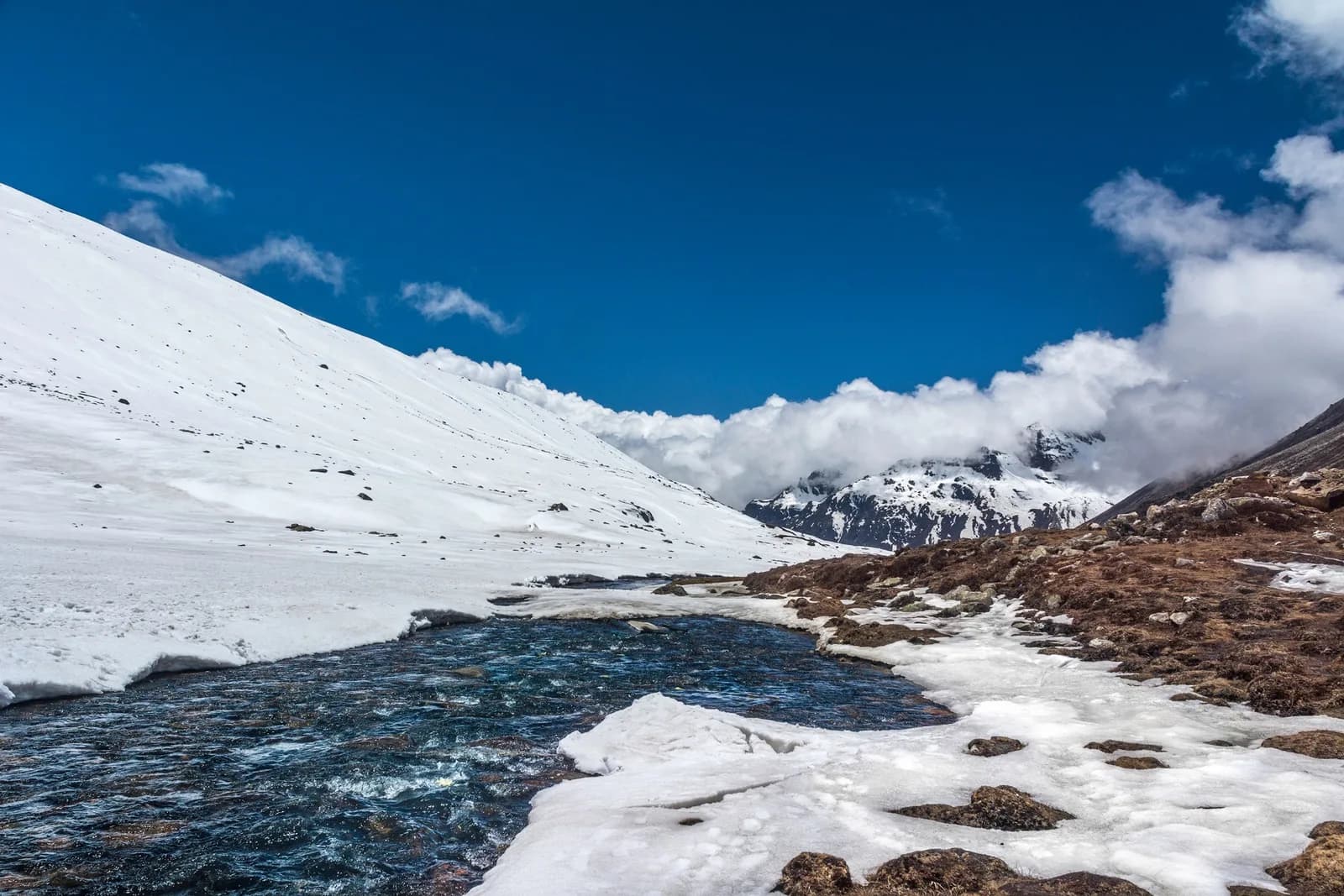
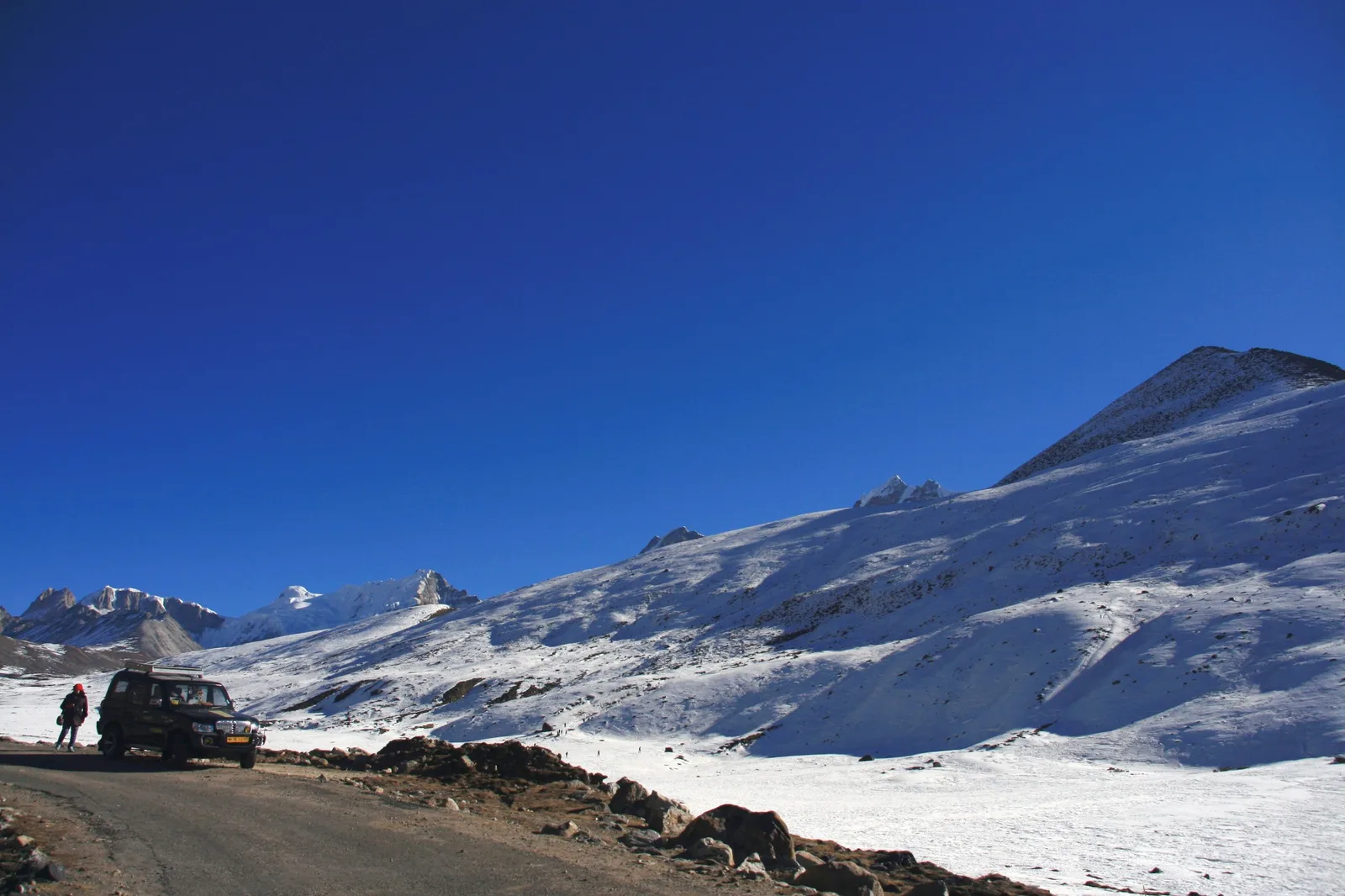
- For snow, go up to Tsomgo Lake, Nathula or Lachung from January to March. Gangtok town almost never gets it (where and when to see snow).
- For flowers, go from late April through May, when rhododendrons bloom in Yumthang Valley. Expect rain on 15–20 days a month in Gangtok.
- June to September is the monsoon: rain on 21–27 days a month, and landslides can shut the North Sikkim roads for a day or more.
Trips you can book for this
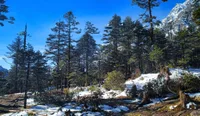
Rain and temperatures are Gangtok’s averages, from the India Meteorological Department (1981–2010). The lakes and passes are far higher and colder.
Quick facts
Checked Oct 2026
- Clearest months
- October to December
- Busiest
- May, and October to early January: book 1–2 months ahead
- Snow up high
- Surest January to March
- Rhododendrons
- Late April through May, in Yumthang Valley
- Wettest month
- July: 626 mm over about 27 rainy days (Gangtok)
- Nathula
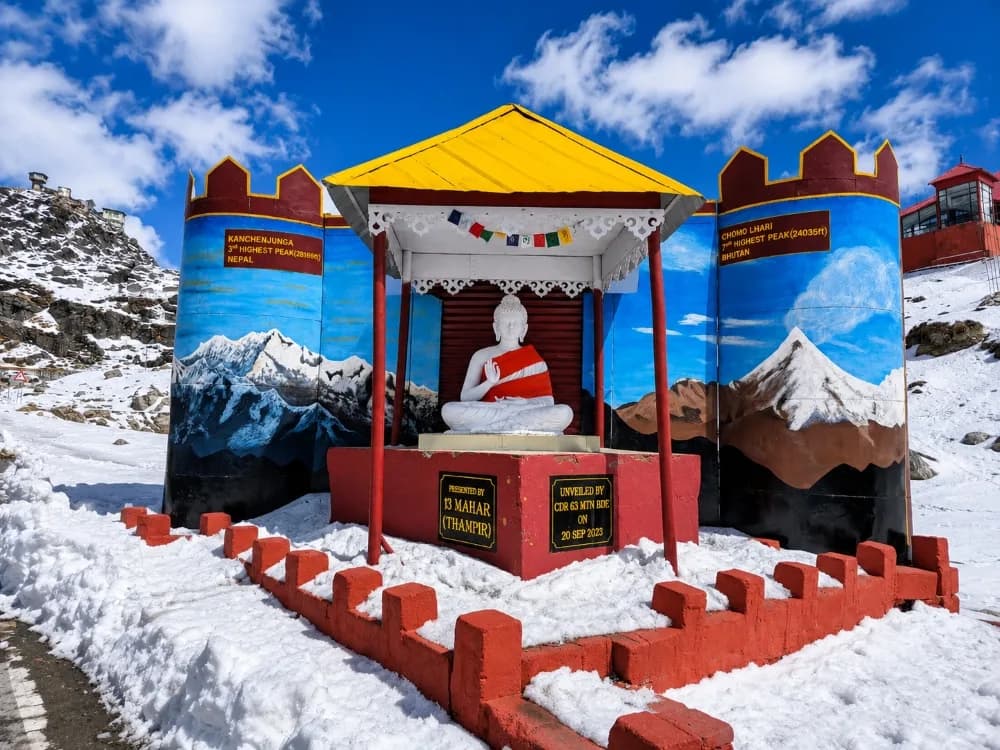
- Closed every Monday, all year
When is the best time to visit Sikkim?
October to December, for most travellers: the skies are clearest and rain is rare. For snow, go from January to March; for rhododendrons, from late April through May.
Every month has something to offer and something to plan around. The right time depends on what you most want to see, and how much rain or cold you will take.
The weather figures here are Gangtok’s, from the India Meteorological Department’s station at 5,790 ft (1,765 m), averaged over 1981–2010. Tsomgo Lake, Lachung and the passes sit far higher, so they are much colder on the same day.
Every day you can book from Gangtok runs in all twelve months, weather permitting, operators say. If a day can’t run because of weather, snow or a road closure, Day Trio’s refund policy gives a full refund.
What is the weather like in Sikkim, month by month?
Cool and dry from November to February, warmer and wetter from March, and very wet from June to September. Here is each month, with Gangtok’s averages.
- January: 5–12 °C, 27 mm of rain over about 2 rainy days; the coldest month. Good for: snow at Tsomgo Lake, Nathula and Lachung, and a frozen Tsomgo Lake. Plan around: heavy snow can shut the high roads for a day or two.
- February: 6–14 °C, 72 mm over about 5 rainy days. Good for: the surest snow up high, on cold, clear days. Plan around: the same snow closures as January.
- March: 9–18 °C, 126 mm over about 9 rainy days. Good for: snow still lying up high, and milder days in town. Plan around: thunderstorms return, on about 6 days in Gangtok.
- April: 12–21 °C, 297 mm over about 15 rainy days. Good for: rhododendrons in Yumthang from late April, and flowers around Tsomgo Lake. Plan around: the most thunder of the year, on about 11 days, and the most hail.
- May: 14–21 °C, 496 mm over about 20 rainy days. Good for: rhododendrons in Yumthang, and mild days. Plan around: rain on most days, and haze or cloud that often hides the peaks.
- June: 16–22 °C, 610 mm over about 24 rainy days. Good for: green hills and full waterfalls. Plan around: the monsoon sets in, and landslides can shut the North Sikkim roads for a day or more.
- July: 17–22 °C, 626 mm over about 27 rainy days, with fog on about 24; the wettest month. Good for: monasteries and town sights. Plan around: landslides on the hill roads, and peaks rarely in view.
- August: 17–22 °C, 566 mm over about 25 rainy days, with fog on about 21. Good for: monasteries and town sights. Plan around: the same landslides and cloud as July.
- September: 16–21 °C, 439 mm over about 21 rainy days. Good for: green valleys as the rain starts to ease. Plan around: landslides can still close roads.
- October: 13–20 °C, 173 mm over about 8 rainy days. Good for: clear skies returning, Kanchenjunga in view, and in some years the first snow at Zero Point. Plan around: a few wet days still.
- November: 9–17 °C, 38 mm over about 2 rainy days. Good for: the clearest, driest spell, and snow at Zero Point from about now. Plan around: cold nights in Lachung and Lachen.
- December: 6–14 °C, 20 mm over about 2 rainy days; the driest month. Good for: clear views and the start of the snow season up high. Plan around: snow closures on the high roads.
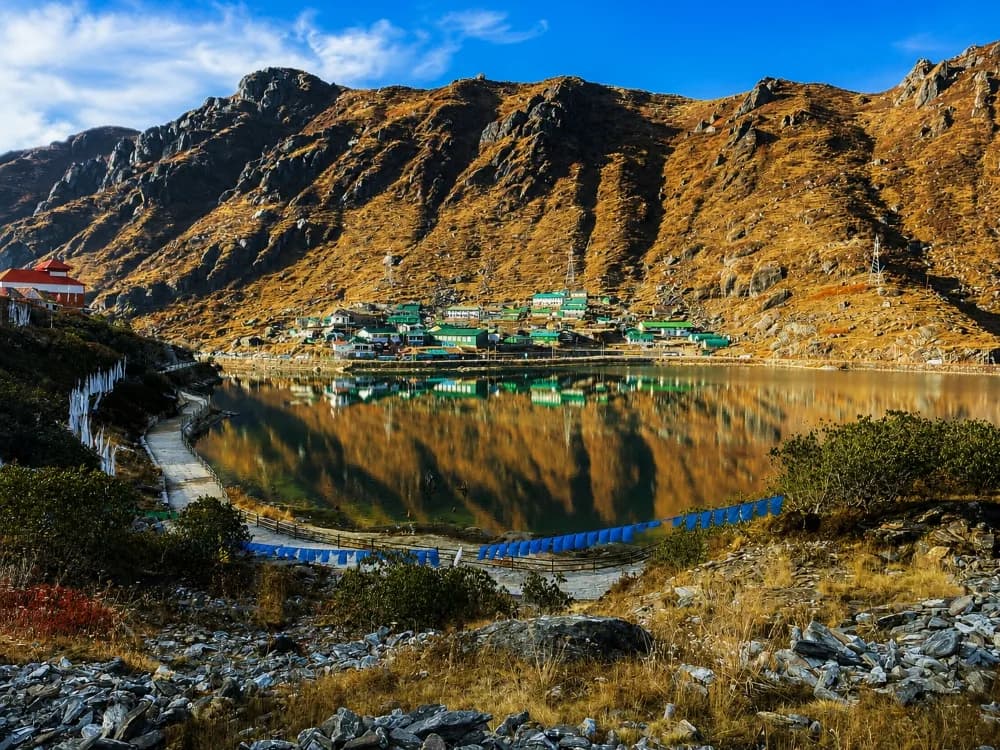
Temperatures are each month’s average daily low and high in Gangtok. Tsomgo Lake, at 12,313 ft (3,753 m), and Nathula, at 14,140 ft (4,310 m), are far colder, so pack warm layers in every month.
When can you see Kanchenjunga clearly?
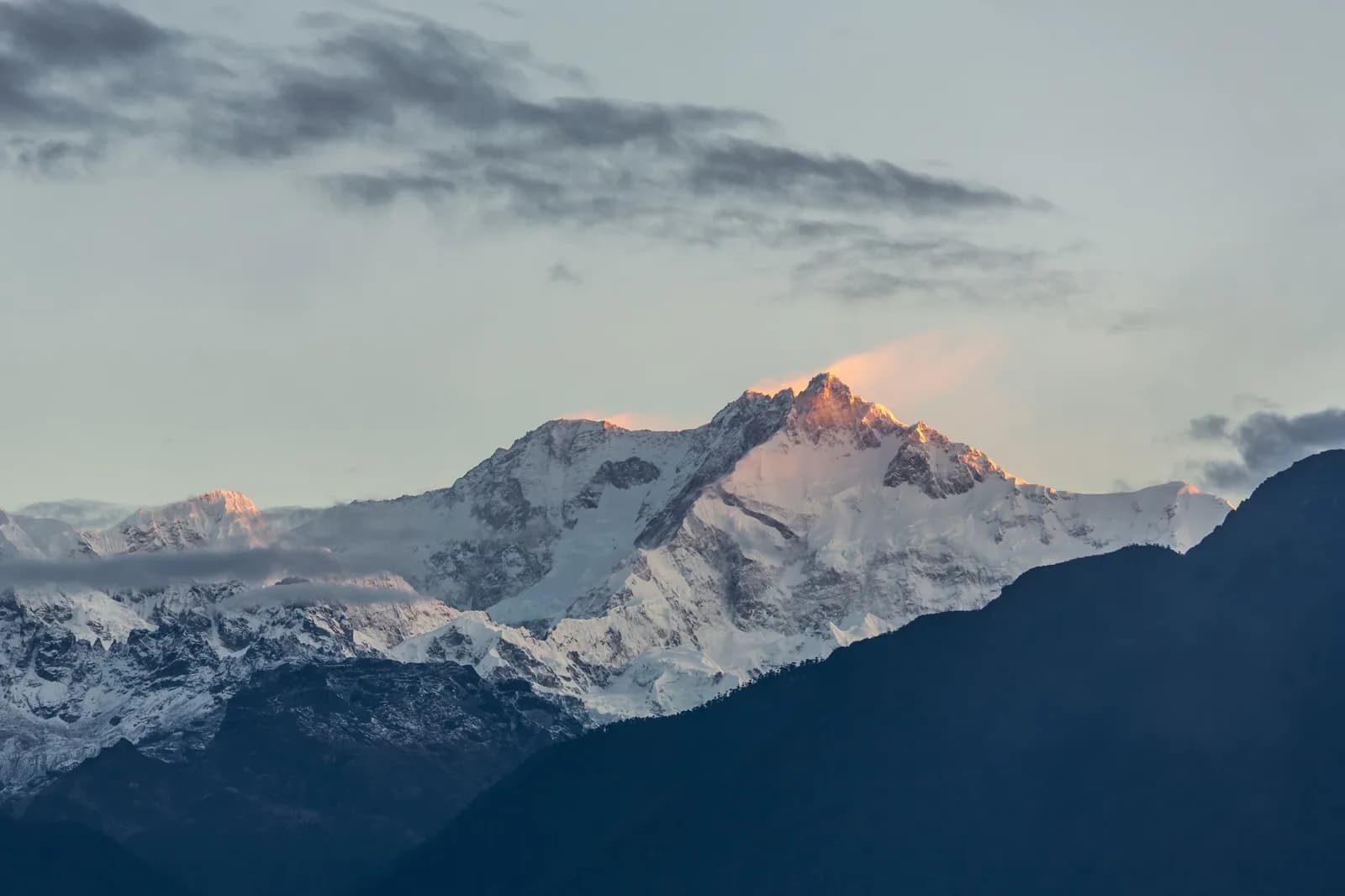
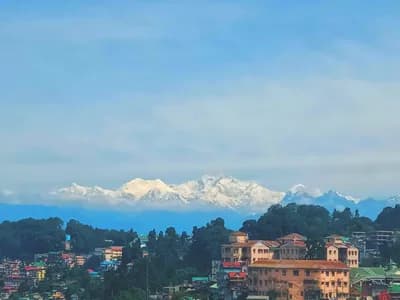
Most often on clear mornings from October to December. From June to September, monsoon cloud usually hides it.
In Gangtok, operators say the view from Tashi View Point is usually clear from October into November. It is the first stop of Gangtok’s 10-point sightseeing, so you reach it in the morning.
Gangtok’s records show why. The town has fog on about 24 days in July and 21 in August, but on only about 3 in November and 4 in December.
From Pelling, in West Sikkim, Kanchenjunga (28,169 ft, or 8,586 m) fills the skyline on clear mornings, most often from October to December, the Pelling trips’ listings say. Cloud tends to build later in the day, so look early. Pelling in one or two nights sets out the stay.
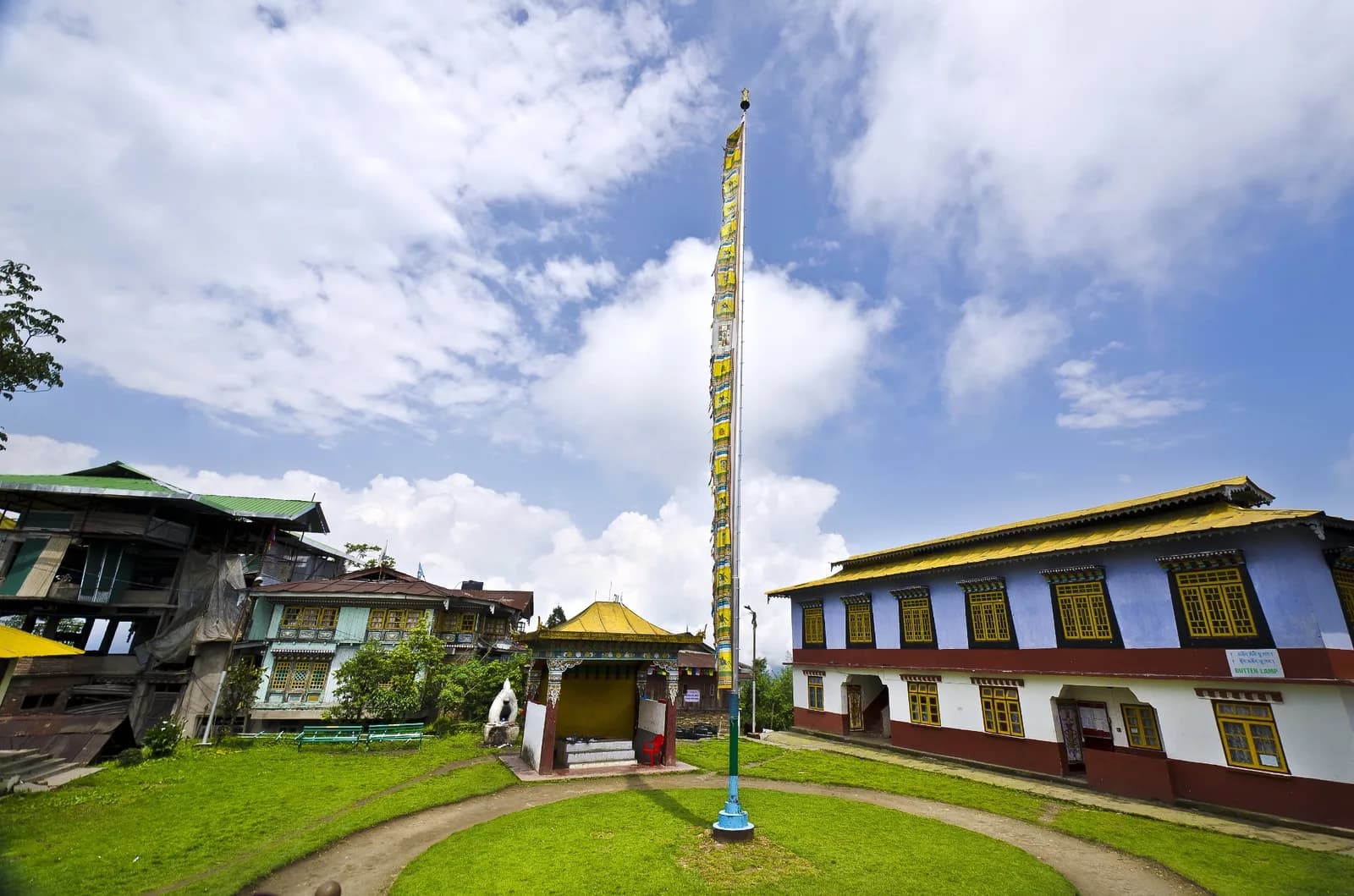
The one-night Pelling trip from Gangtok reaches Pelling with the afternoon to spare and sees its monasteries the next morning, then drops you at Bagdogra, NJP, Darjeeling or Kalimpong.
A trip you can book
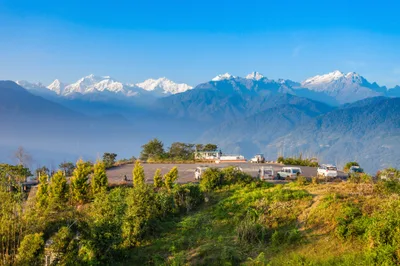 Gangtok, SikkimGangtok to Pelling 1N2D Private Cab with SightseeingMulti-dayHotel pickupFull refund up to 24 hours beforefrom $106per vehicleSee the trip →
Which months have snow in Sikkim?
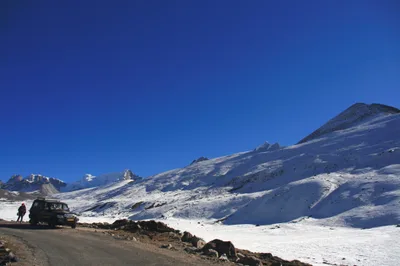
January to March is surest, at Tsomgo Lake, Nathula, Kupup and Lachung. Gangtok town almost never gets snow, and Zero Point, above Yumthang, can have it from about November.
Sikkim Tourism says snow lingers in most high places until the end of March. Operators who run these trips put the season at about December to April, with the middle months surest.
Which places, which months, and what happens when snow shuts a road are all in the snow guide.
Foreign nationals can see snow at Tsomgo Lake, Lachung, Yumthang and Zero Point, in a group of two or more with a registered guide. Baba Mandir, Nathula and Kupup are for Indian nationals only.
The Tsomgo Lake and Baba Mandir day is the simplest snow day from Gangtok, with Nathula as an add-on for Indian nationals on any day but Monday. Tsomgo Lake, month by month says when the lake is frozen.
A trip you can book
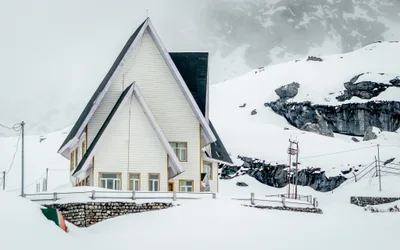 Gangtok, SikkimTsomgo Lake & Baba Mandir Day trip with Optional Nathula PassFull dayHotel pickupFull refund up to 24 hours beforefrom $43per vehicleSee the trip →
When do the rhododendrons bloom in Sikkim?
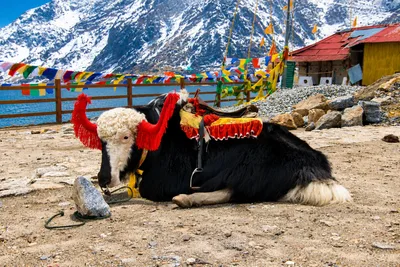
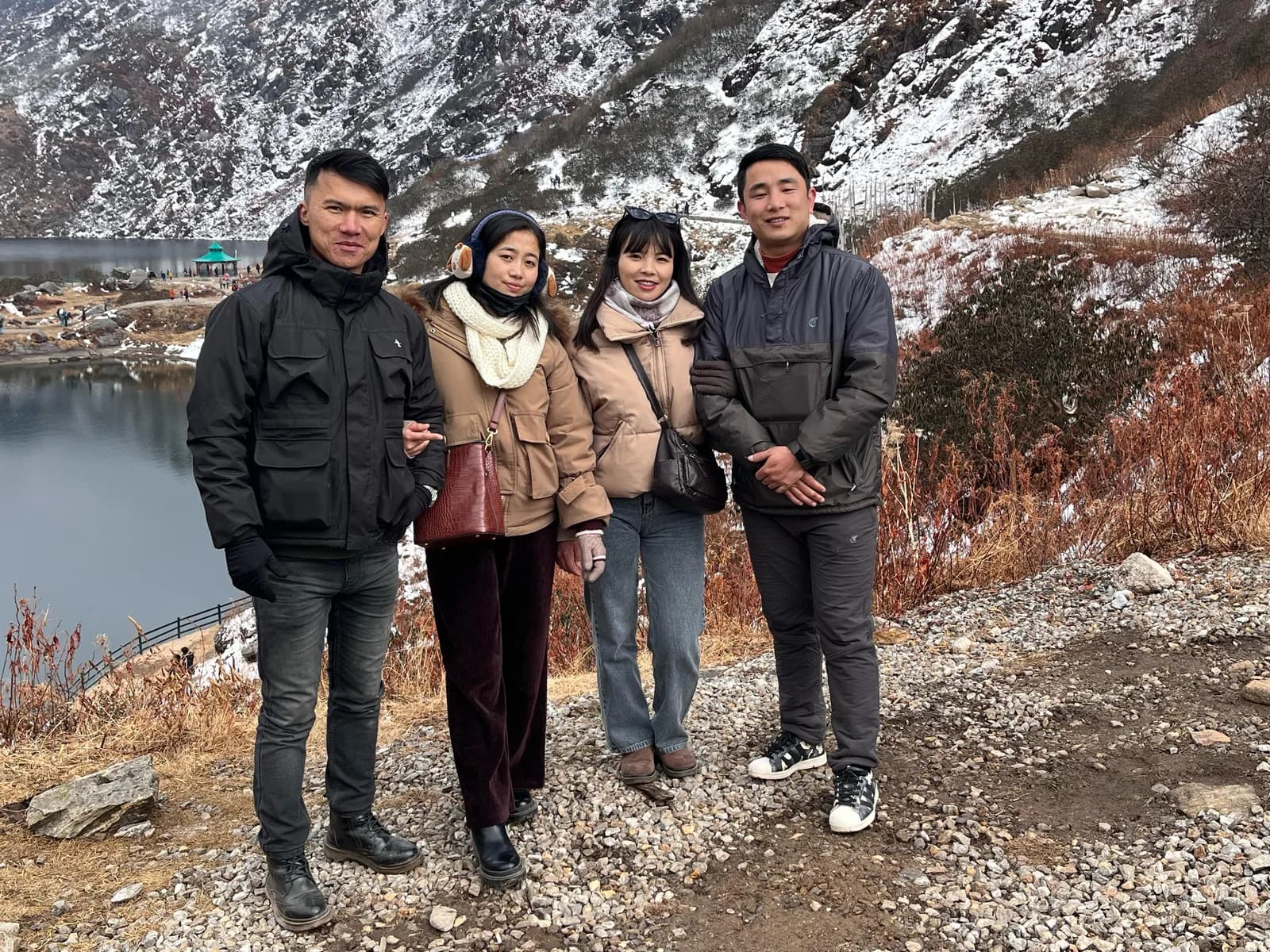
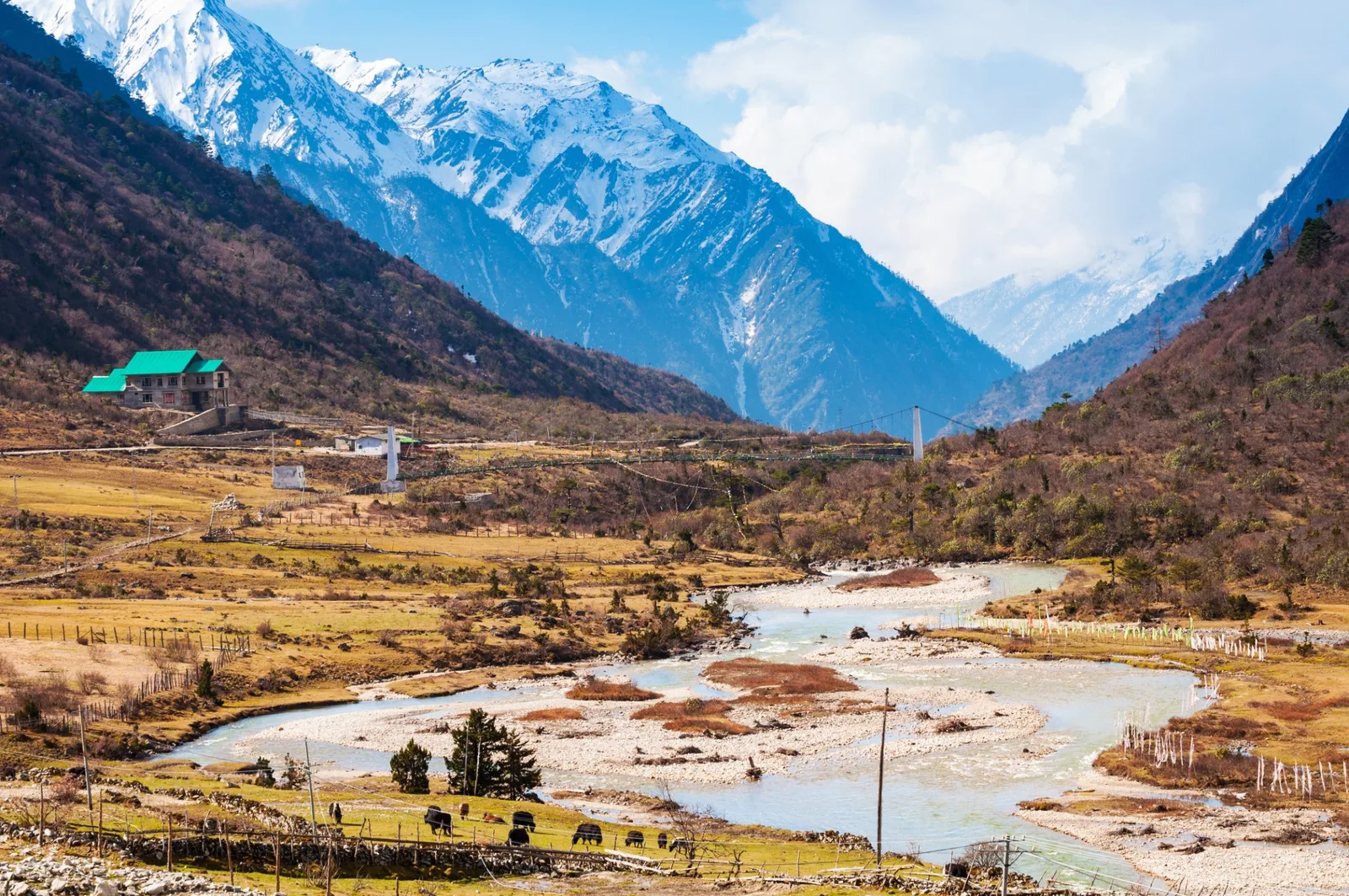
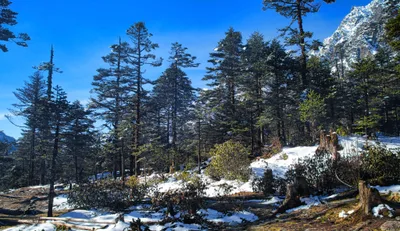
From late April through May, in Yumthang Valley above Lachung. April and May also bring flowers to the slopes around Tsomgo Lake, and in some years snow still lies near the water in April.
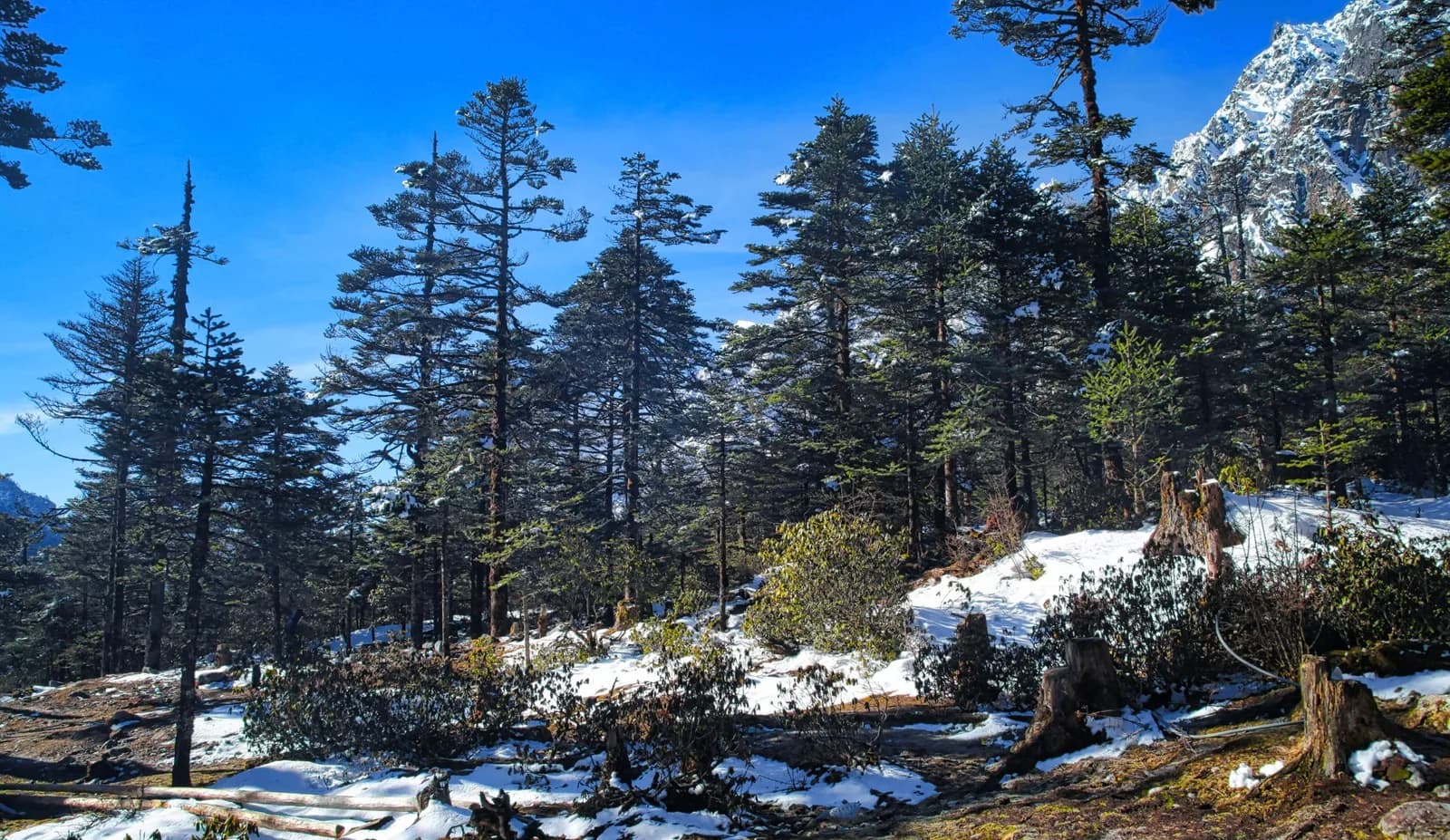
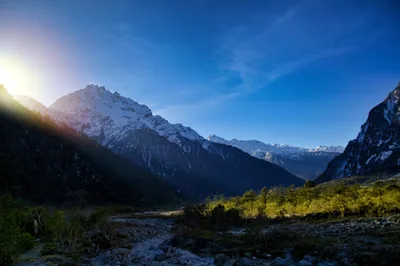
Yumthang Valley lies 26 km beyond Lachung, inside the Shingba Rhododendron Sanctuary, with meadows and a hot spring. The North Sikkim trips’ listings name late April through May as its most colourful weeks.
The trade-off is rain. Gangtok averages about 15 rainy days in April and 20 in May, with thunder on about 11 days in April, so start each day early.
Lachung is 116 km from Gangtok, 5–6 hours by road, so a Yumthang trip takes two nights. The Lachung and Yumthang guide sets out the two-night plan, and Sikkim in 4, 5 or 6 days shows how it fits into a longer stay.
The two-night private Lachung trip takes your own car from Gangtok to Lachung and Yumthang and back; you choose and book the rooms.
A trip you can book
 Gangtok, SikkimLachung & Yumthang 2N3D Private Cab, Hotels Not IncludedMulti-dayHotel pickupFull refund up to 24 hours beforefrom $202per vehicleSee the trip →
Is it worth visiting Sikkim in the monsoon?
Yes, if your plans can bend. From June to September Gangtok gets rain on 21–27 days a month, and landslides can shut the North Sikkim roads for a day or more.
The trips run through the rains, weather permitting, operators say; in July and August, the North Sikkim trips lose only a few days a month. The long drives north, and the road down to Bagdogra and NJP, are where rain slows travel most.
The views are the real cost. Gangtok has fog on 19–24 days a month from June to September, so the peaks are rarely seen.
On your last day, leave plenty of time. The rides from Gangtok to Bagdogra Airport and NJP station advise leaving at least 8 hours before your flight or train, because rain and landslides can slow that road badly. Bagdogra or NJP to Gangtok covers that road and its closures.
Is Sikkim better in October, December or May?
October to December for views and dry roads; May for rhododendrons and warmer nights. Gangtok has about 8 rainy days in October and 2 in December, against 20 in May.
October is when the clear spell begins, and it holds through November and December. Days in town are mild, about 13–20 °C in October, and the mountains are most often in view.
December and January are cold and dry: about 6–14 °C in December and 5–12 °C in January in Gangtok. Up high, the snow season begins, and heavy snow can shut the roads to Tsomgo Lake and Nathula.
When the snow is heavy, the authorities can stop issuing permits. In December 2022, Sikkim Police paused Tsomgo Lake and Nathula permits and cancelled those already issued. Put your high day early in your stay, so there is time to rebook.
Sikkim is busiest in May and from October to about 10 January, operators say, with the peak weeks at Durga Puja, Diwali, Christmas to New Year and the May–June school holidays. March and April are calmer, and so are the weeks after mid-June. For a peak week, book 1–2 months ahead.
May is warmer, about 14–21 °C in town, with rhododendrons in Yumthang. But rain falls on about 20 days, haze often hides the peaks, and the monsoon is only weeks away.
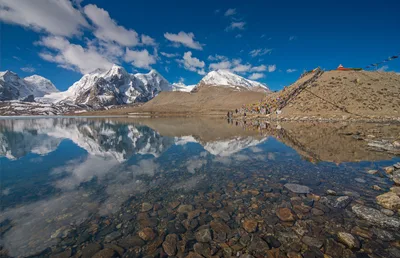
Gurudongmar Lake, at 17,800 ft (5,430 m), is a trip for the settled months. The two-night Lachen trip’s listing says snow can close the road to the lake in winter.
A trip you can book
 Gangtok, SikkimLachen & Gurudongmar 2N3D Private Cab, Hotels Not IncludedMulti-dayHotel pickupFull refund up to 24 hours beforefrom $223per vehicleSee the trip →
What should you pack for each season?
Warm layers in every month, a heavy jacket from December to March, and rain gear from April to September.
Even in July, Tsomgo Lake and Nathula are cold. On snow days, boots, gloves and jackets can be hired on the way up, at 17th Mile on the Tsomgo Lake road.
Snow boots, gloves or a jacket at 17th Mile: about ₹300–500 per item, depending on the shop, the material and the size (operators) · checked Oct 2026
Every month
- Warm layers for the high roads
- Sunglasses and sunscreen
- Shoes with a good grip
- Cash for tea, gear hire and entry tickets
- The same ID you sent for the permit
By season
- December to March: a heavy jacket, a hat and gloves
- April to September: a rain jacket and quick-drying shoes
- October and November: a warm layer for early mornings
- Snow months: your high day early in the stay
- Monsoon: a spare day before your flight or train
Questions travellers ask
Which is the coldest month in Sikkim?
Does it rain in Sikkim in April?
What is Sikkim like in March?
Can you see Kanchenjunga in June or July?
Do the trips run in the monsoon and the snow months?
How far ahead should foreign nationals plan a Sikkim trip?
Sources & checks
- Gangtok’s average monthly lows and highs, rainfall, rainy days, and days with fog, thunder and hail, 1981–2010, at the station’s 5,790 ft (1,765 m) — India Meteorological Department (Mean monthly meteorological parameters of Gangtok) · checked Oct 2026
- Snow lingers until the end of March in most places — Sikkim Tourism, Government of Sikkim (Weather page) · checked Oct 2026
- Foreign tourists allowed as far as Tsomgo Lake; Nathula and Zuluk not open to them; Gurudongmar only as far as Thangu — Sikkim Tourism, Government of Sikkim (Protected Area Permit page) · checked Oct 2026
- Nathula: closed on Mondays; altitude 14,140 ft (4,310 m) — Incredible India, Ministry of Tourism, Government of India · checked Oct 2026
- Tsomgo Lake and Nathula permits stopped, and permits already issued cancelled, in heavy snow (article of 30 December 2022) — EastMojo · checked Oct 2026
- A full refund, including the service fee, when a day can’t run because of weather or snow, a road closure or landslide — Day Trio, Refund & Cancellation Policy · checked Oct 2026
- Tsomgo Lake’s height and its frozen and flowering months; Yumthang’s rhododendron weeks; Kanchenjunga from Pelling by season; monsoon landslides and winter snow on the North Sikkim and Gurudongmar roads; leaving Gangtok 8 hours before a flight or train — The days' own listings on Day Trio · checked Oct 2026
- Every day runs all year, weather permitting, and North Sikkim trips lose a few days a month in July and August; the busy and calm seasons, the peak weeks and booking them 1–2 months ahead; snow months at each place, and snow at Tsomgo in April only some years; Kanchenjunga from Tashi View Point; gear hire at 17th Mile; who can go where; the entry permit applied for about 15 days ahead — First-hand: the author and the operators who run these days · checked Oct 2026