Tsomgo (Changu) Lake: Permit, When to Go, What to Expect
Tsomgo (Changu) Lake sits at 12,313 ft (3,753 m), 41 km from Gangtok. What you see there in each month, the permit, how the day runs, Baba Mandir, Kupup and what the extras cost.
The short answer
Tsomgo (Changu) Lake sits at 12,313 ft (3,753 m), 41 km from Gangtok: snow and ice January to March, flowers April–May, clear views October–November.
- Every visitor needs a permit. The operator applies for it the day before, from the ID you add to your booking: a Voter ID, passport or driving licence, not Aadhaar.
- Foreign nationals and OCI card holders can visit the lake, as two or more with a registered guide. Baba Mandir and Nathula, further up the road, are for Indian nationals only.
- A lake day takes about seven hours from Gangtok, with one to three hours at the lake, depending on the day you book.
- Yak rides, the ropeway and gear hire on the way are paid in cash, on the spot.
Trips you can book for this
In the snow months, put the lake early in your stay: if heavy snow shuts the road on your date, there is time to go another day.
Quick facts
Checked Oct 2026
- Height
- 12,313 ft (3,753 m)
- From Gangtok
- 41 km, about 1.5–2 hours
- Snow
- About December to April; surest January to March
- Who can go
- Everyone with a permit; foreign nationals as two or more, with a guide
- Pickup
- 08:00–08:30
- Back by
- 15:00
from the listing, always current
How high is Tsomgo Lake, and how far is it from Gangtok?
Tsomgo Lake is at 12,313 ft (3,753 m) and 41 km from Gangtok by road, about 1.5 to 2 hours’ drive.
Tsomgo and Changu are two names for the same lake. It lies on the high road from Gangtok towards Nathula, about 6,500 ft (2,000 m) above the town; the India Meteorological Department’s Gangtok station is at about 5,790 ft (1,765 m).
Baba Mandir and Nathula are further up the same road. Nathula is another 17 km beyond the lake, about an hour’s drive, and Kupup, on the high road towards Zuluk, is 51 km from Gangtok.
That height explains most of this guide: ice and snow in winter, cold air in every month, and a short climb that leaves some people breathless. Walk slowly at the lake. The Nathula guide explains why a day trip up and back is easier on the body than a night up high, and Distances from Gangtok has every other road.
What does Tsomgo Lake look like in each month?
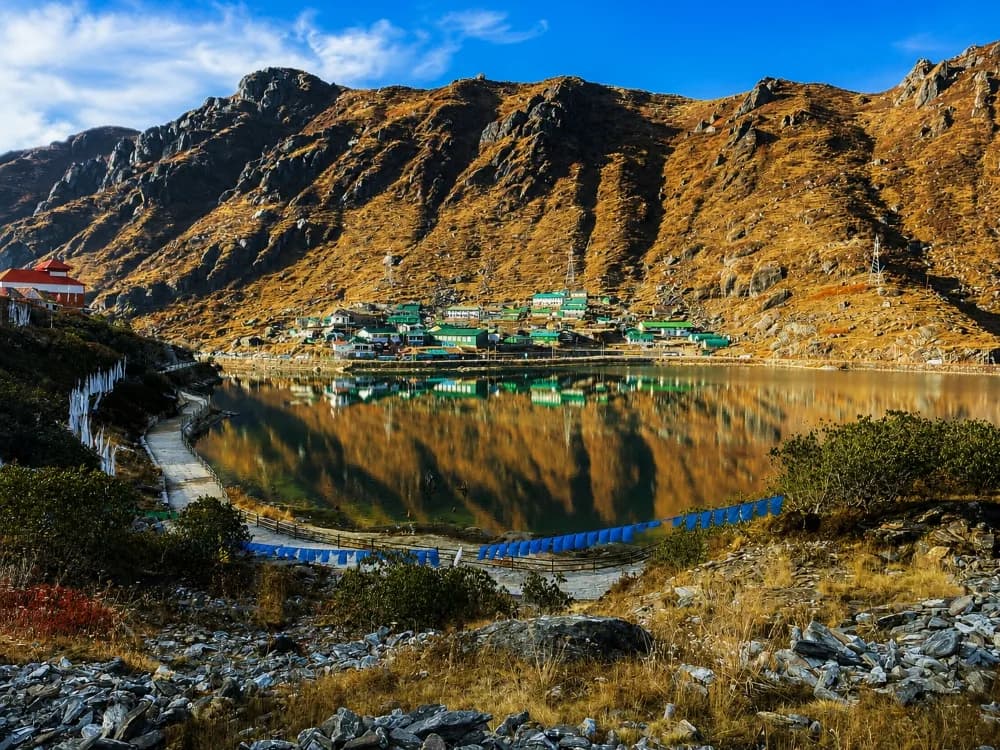
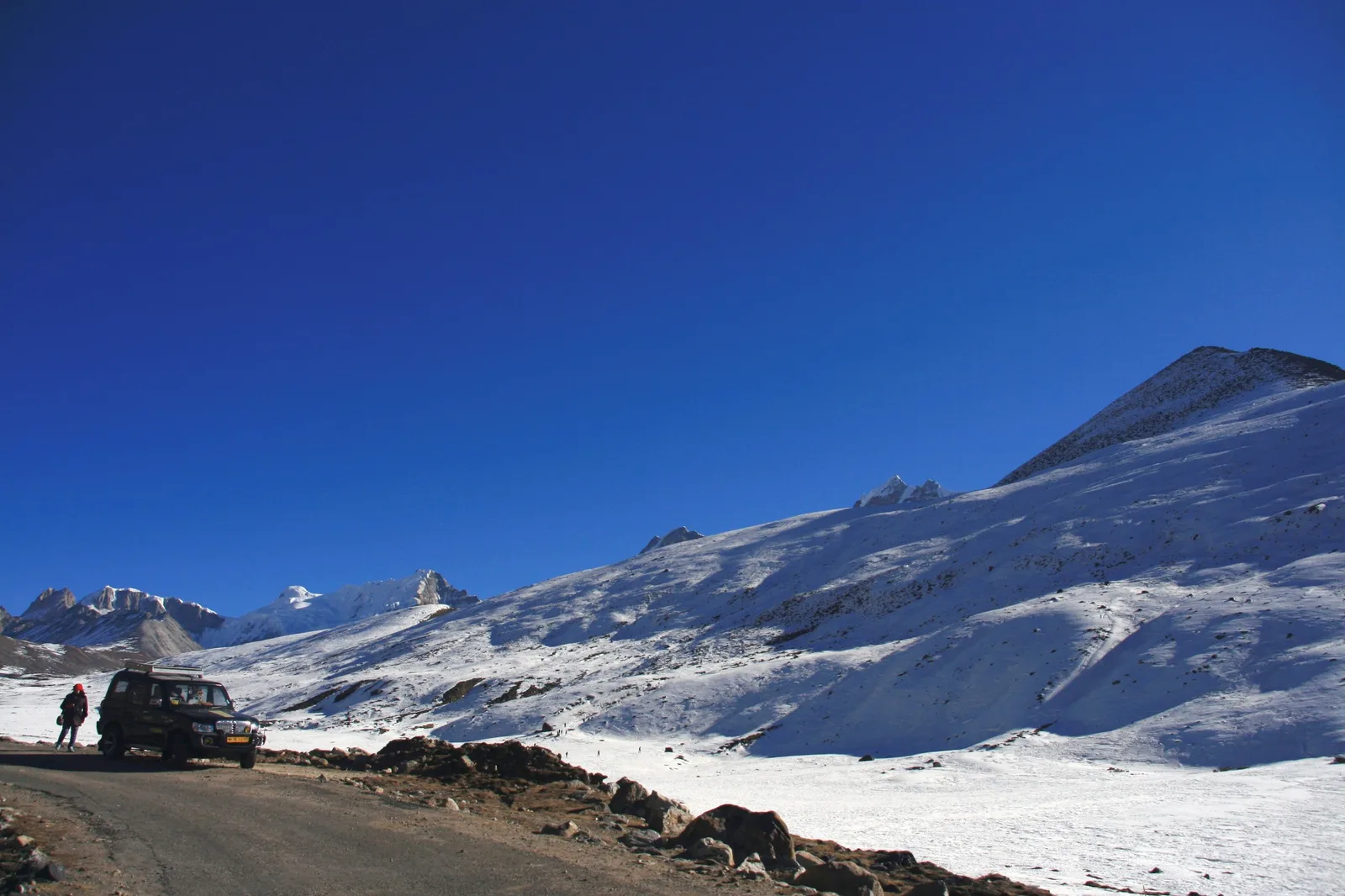
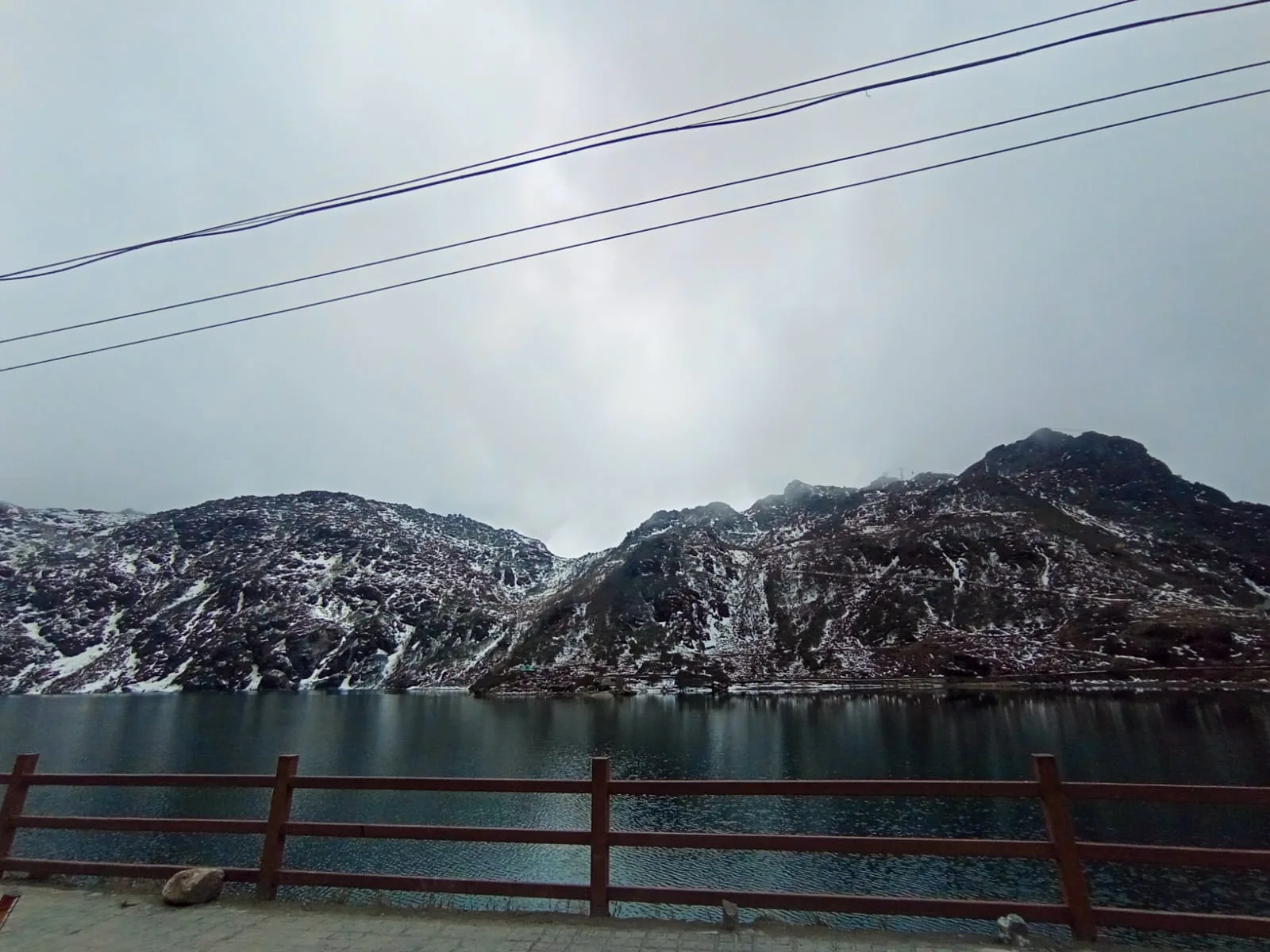
Frozen or snowy from about January to March, flowers and the last snow in April and May, rain and cloud from June to September, and calm, clear water in October and November.
Here is the year as the operators who drive this road describe it, checked against Sikkim Tourism’s weather page. Every day to the lake runs all year, weather permitting.
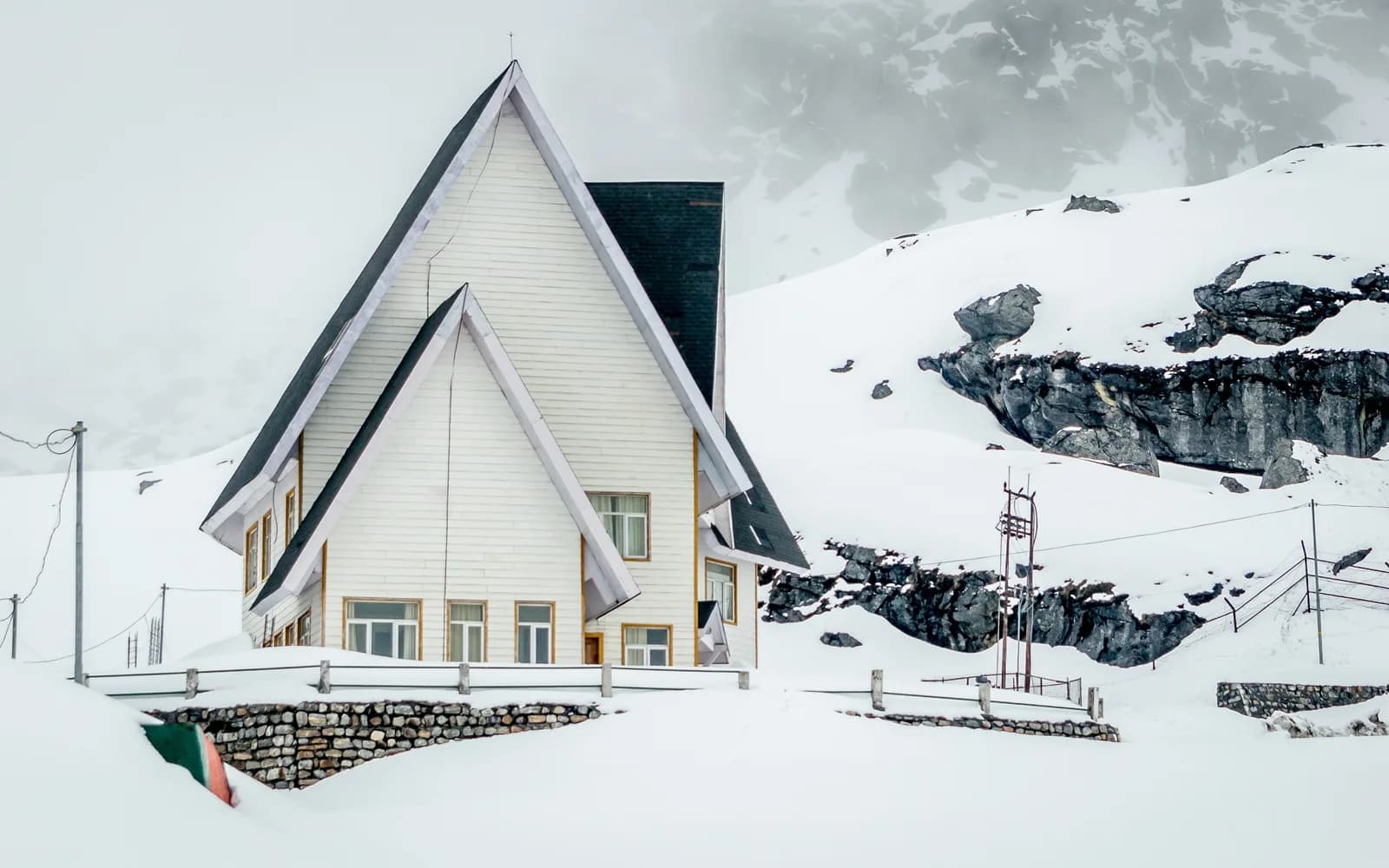
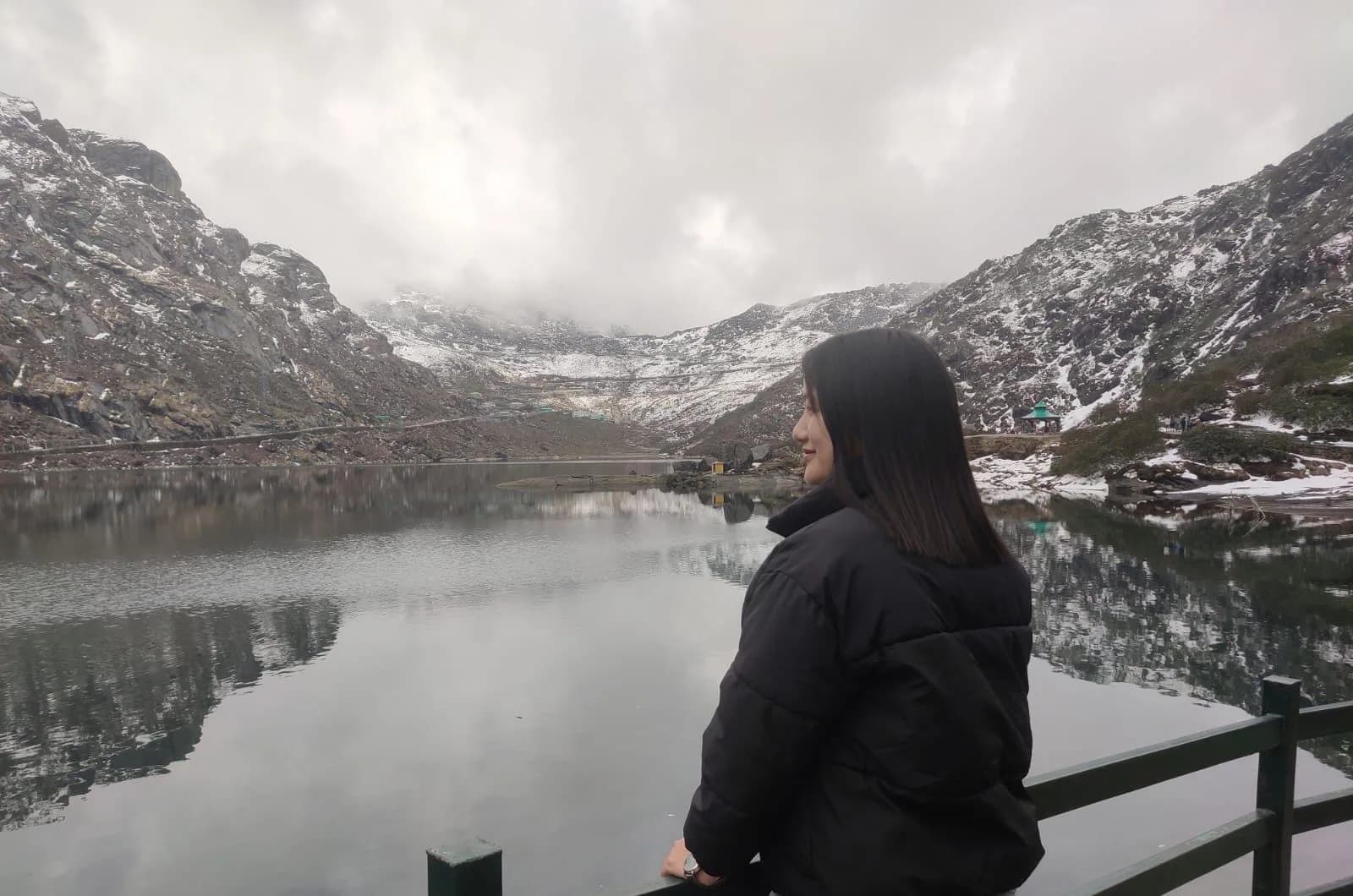
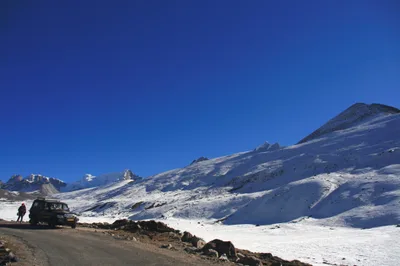
- January to March: the coldest months and the surest for snow. The lake is usually frozen from January to March, operators say. Only heavy snow shuts the road, operators say, usually for a day or two.
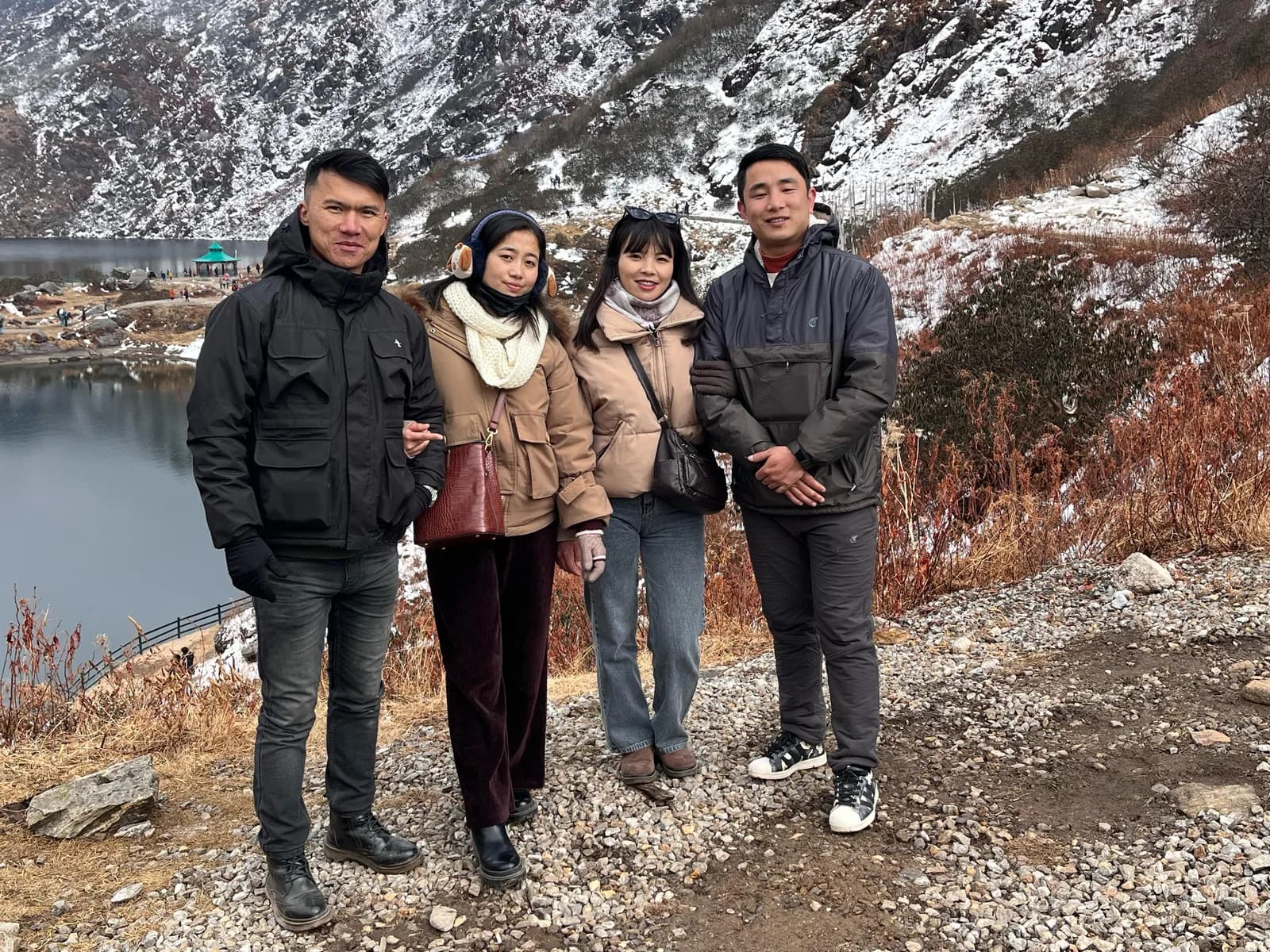
- April and May: rhododendrons and primulas come out on the slopes, and old snow can still lie around the water. Rain starts to build in these months.
- June to September: the monsoon. Sikkim Tourism says rain is heavy from May to early October and July is the wettest month, so the hills are green and often hidden in cloud.
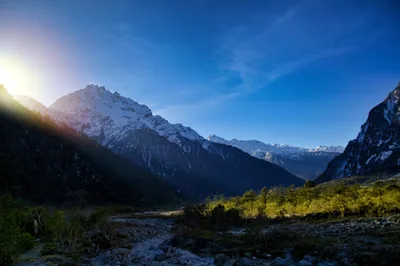
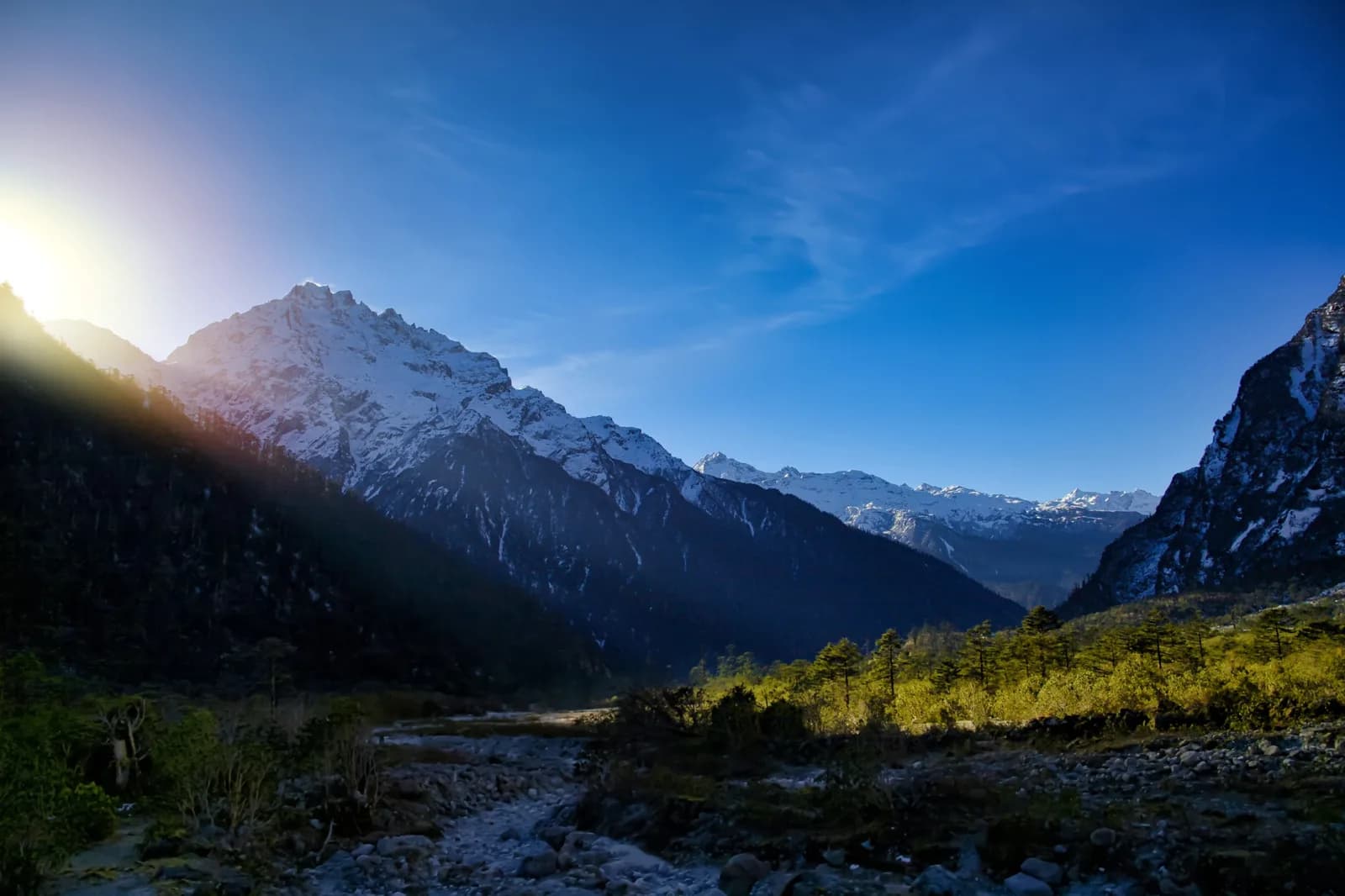
- October and November: the clearest months, when the water is often still enough to mirror the hills. Gangtok’s own records show only two or three rainy days in November.
- December: the start of the snow season. There may be snow at the lake, or a bare, very cold and very clear one.
Is there snow at Tsomgo Lake in May or December?
Often a little in both, but neither is certain: in May old snow may linger around the lake, and December is only the start of the snow season.
In April and May, the listing for the foreign-nationals lake day describes the first flowers on the slopes with snow still around the water. By May that is old snow left from the winter, not fresh falls, and some years there is little or none: Sikkim’s weather is hard to predict, operators say.
December sits at the other end. Operators put the snow season at about December to April and say January to March is when snow is surest, which matches Sikkim Tourism’s note that snow lingers until the end of March in most high places.
If snow is the point of your trip, January to March is the safer choice. Does it snow in Gangtok? covers where else to find it, and what happens when snow shuts the road.
Do you need a permit for Tsomgo Lake?
Yes, every visitor does. The operator applies for it the day before, from the details you add to your booking after you book.
Indian travellers give a Voter ID, passport or driving licence for each adult; Aadhaar is not accepted for this permit. Children can use a birth certificate or a school ID. The same permit covers Baba Mandir, a little further up the road.
The permit is included in the price of every day listed here. For Indian travellers there is no government fee for it at the moment, operators say; a fee is planned, possibly from 15 November 2026, but is not yet in force.
Foreign nationals and OCI card holders can visit the lake but not Baba Mandir or Nathula. They travel as two or more with a government-registered guide, and need Sikkim’s entry permit first; the permits guide has the details. The Tsomgo Lake day for foreign nationals has a registered guide with you all day.
A trip you can book
 Gangtok, SikkimTsomgo (Changu) Lake Day Trip for Foreigners with GuideFull dayHotel pickupFull refund up to 24 hours beforefrom $70See the trip →
How does a day at Tsomgo Lake run?
You leave Gangtok in the morning, climb for about two hours with a stop or two, spend one to three hours around the lake, and are back in town by mid-afternoon: about seven hours in all.
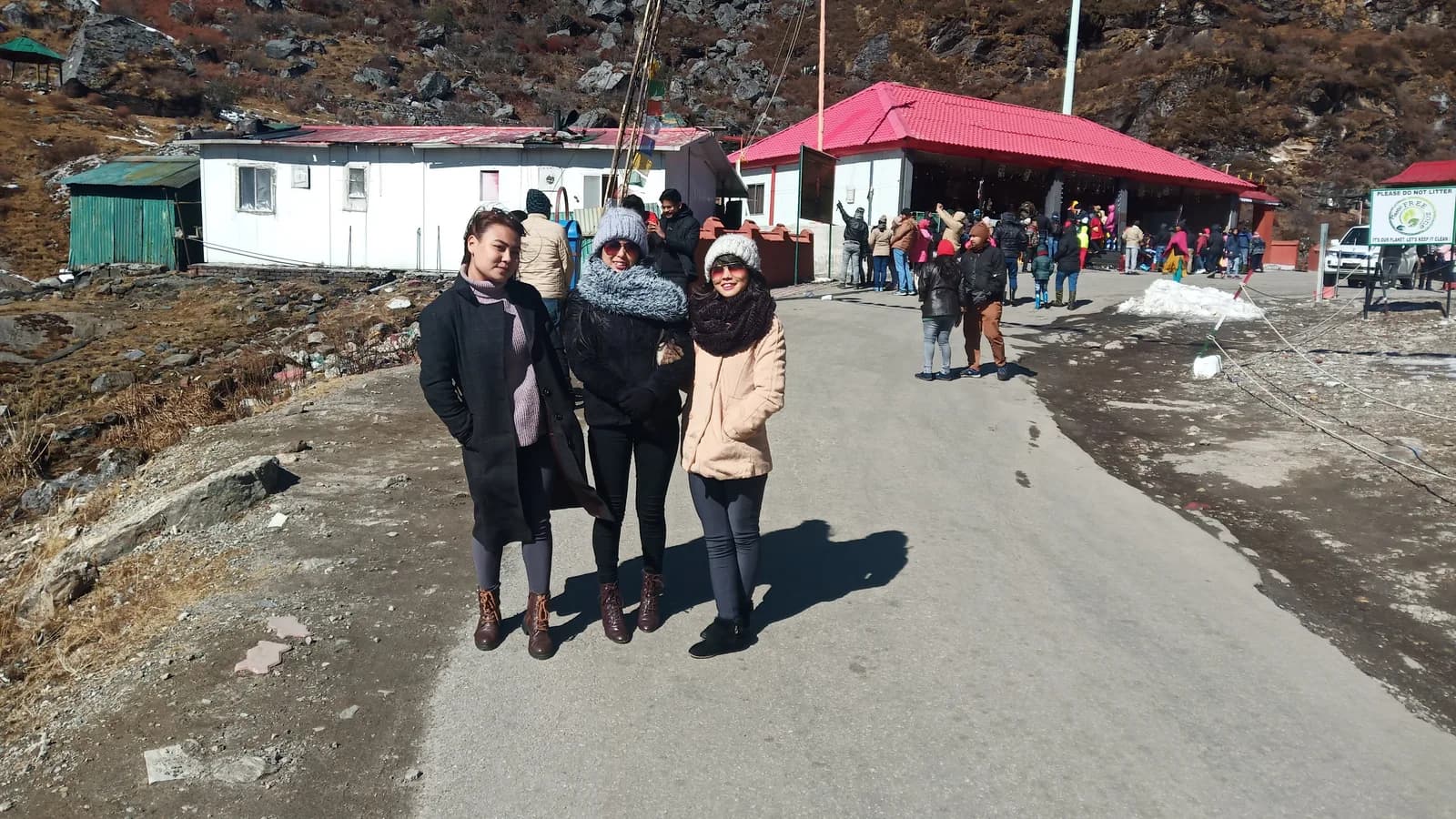
Permits are checked at the 3rd Mile check post as the road leaves town. Higher up, 17th Mile is where most cars stop for tea, and where shops hire out snow boots, gloves and jackets.
The official visiting hours differ: the Ministry of Tourism lists 7:30 am to 4:30 pm, and the Gangtok district page 10 am to 4 pm. Either way the lake is visited by day, which is why every day to it starts in the morning.
How long you stay at the lake, and whether Baba Mandir or Nathula comes first, depends on the day you book. Each day’s page shows its own plan, and its card shows the times, live. Toilets on the way are basic and few.
The private Tsomgo Lake and Baba Mandir day picks you up at your hotel and gives you about two hours at the lake, with Nathula as an add-on for Indian travellers.
A trip you can book
 Gangtok, SikkimTsomgo Lake & Baba Mandir Day trip with Optional Nathula PassFull dayHotel pickupFull refund up to 24 hours beforefrom $43per vehicleSee the trip →
What can you do at the lake, and what do the extras cost?
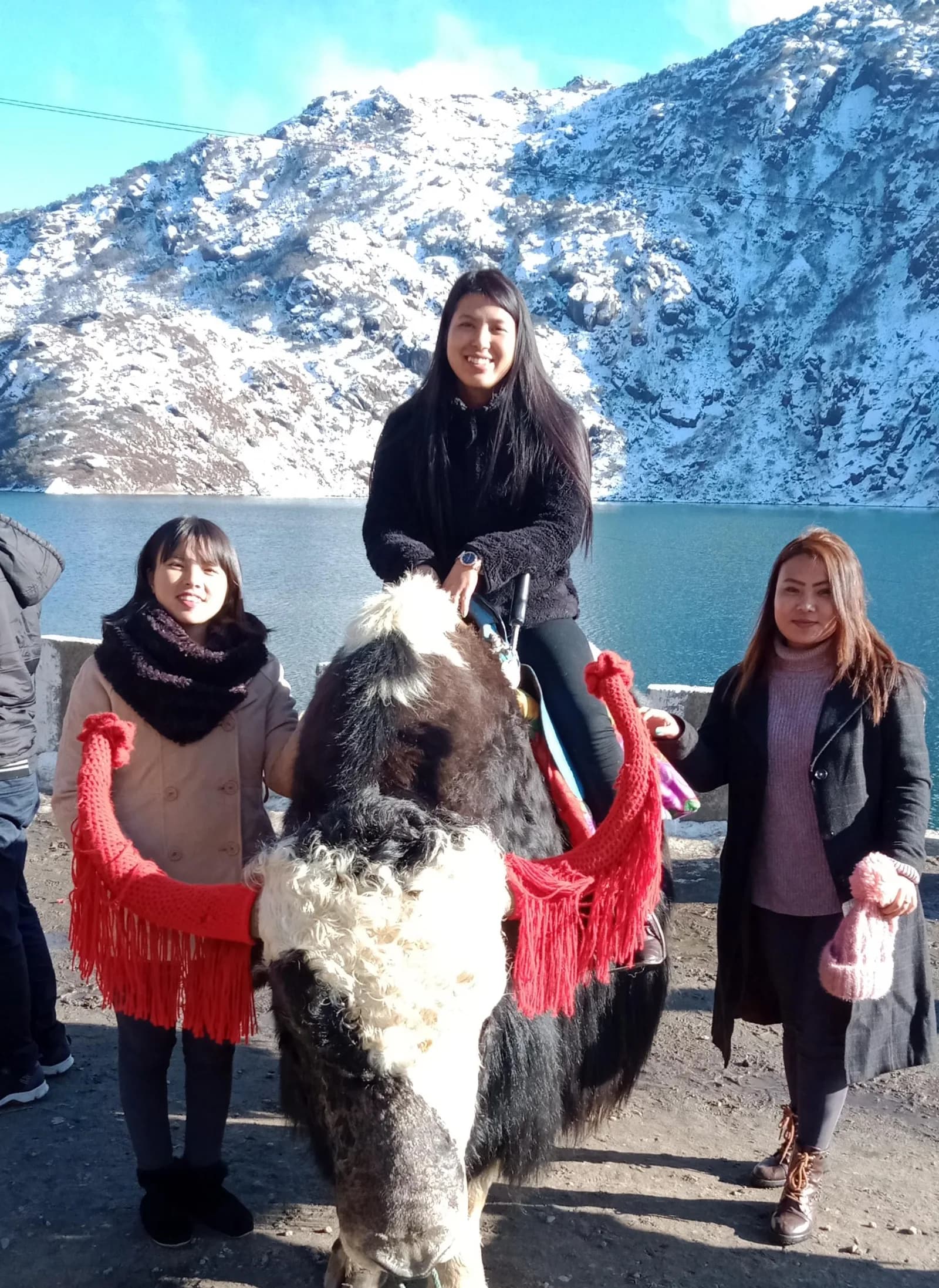
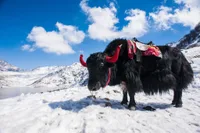
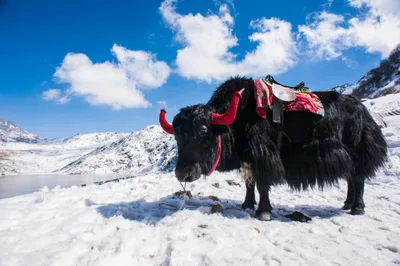
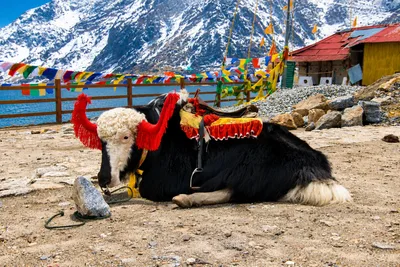
Walk the shore, ride a yak, take the ropeway or dress up in local clothes for photos. These are paid in cash at the lake and are not part of any day’s price.
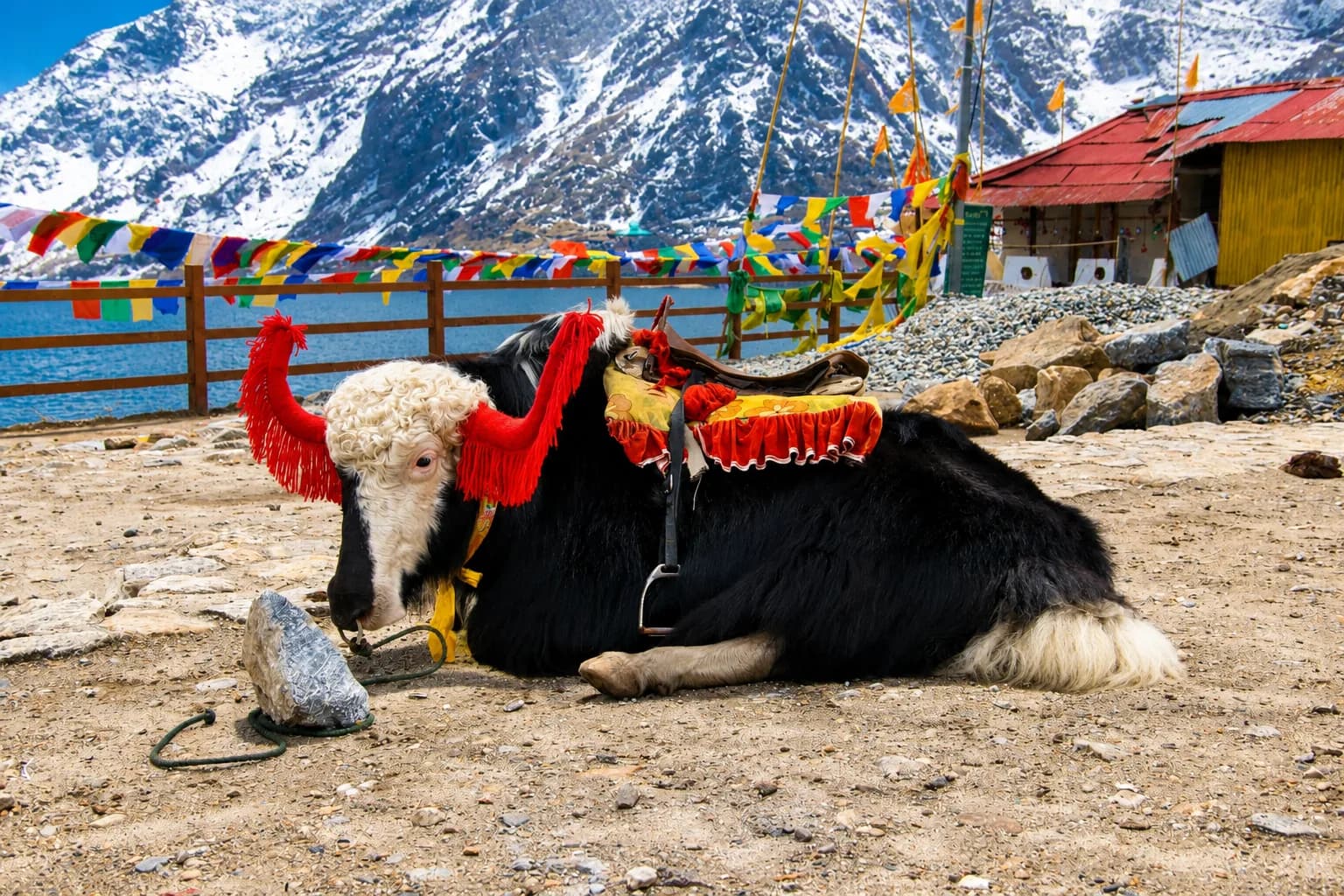
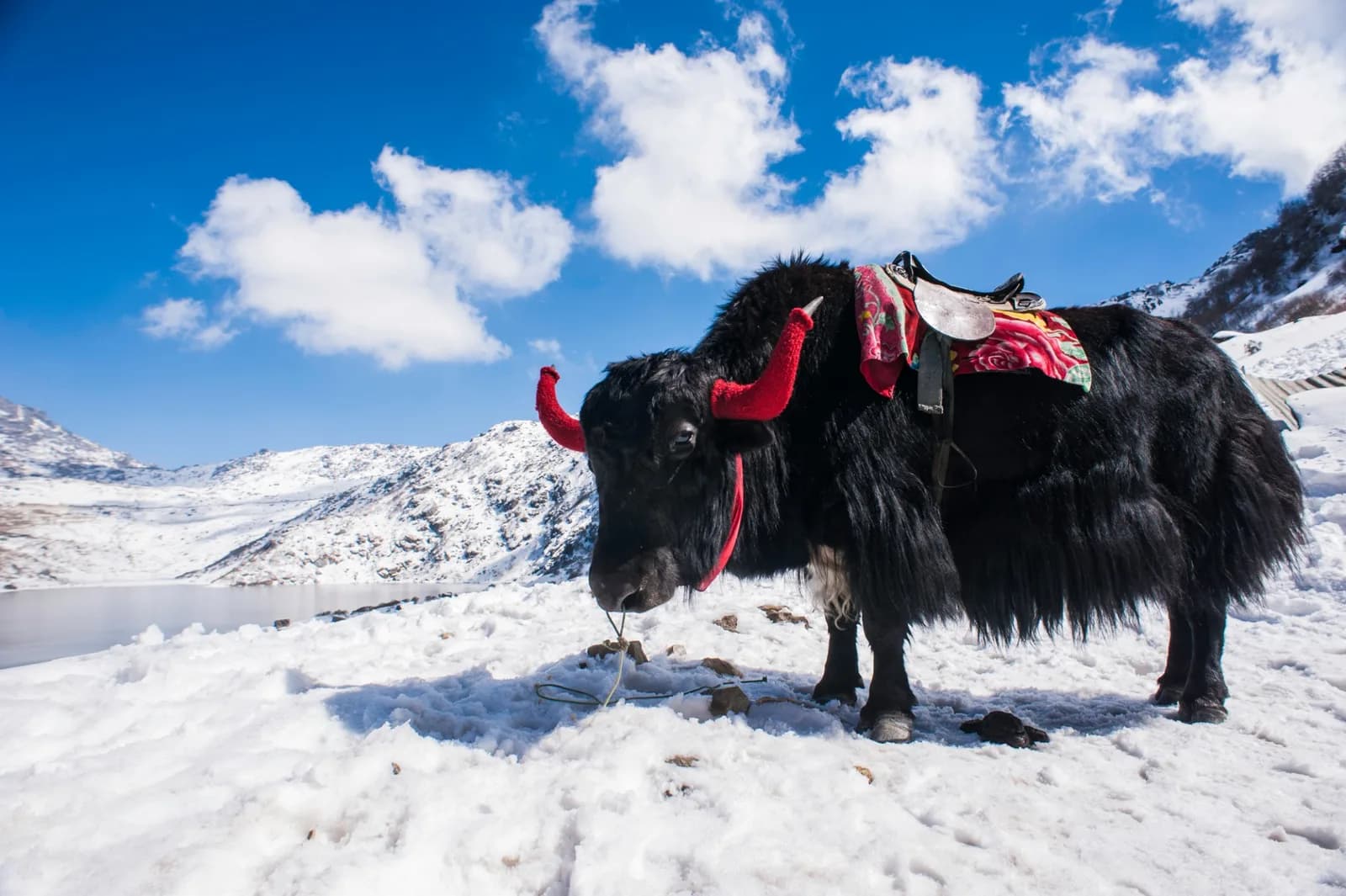
The Gangtok district administration lists yak and mule rides, photos in local dress, churpi (a hard cheese made from yak milk) and a ropeway at the lake, with parking and souvenir shops. The listing for the foreign-nationals day mentions the same yak rides on the bank and a ropeway up from the shore. Operators say the ropeway is running (October 2026).
Ropeway at Tsomgo Lake: about ₹380 (operators) · checked Oct 2026
Yaks at Tsomgo Lake: about ₹100 for photos with a yak; short rides from about ₹500; long rides up to about ₹3,000 (operators) · checked Oct 2026
Prices for rides are set at the lake, so carry cash and agree the price before you start.
Warm gear is the extra most people need. Shops at 17th Mile hire out snow boots, gloves and jackets, and shops on the way up sell small oxygen cans, worth having to hand.
Snow boots, gloves or a jacket at 17th Mile: about ₹300–500 per item, depending on the shop, the material and the size (operators) · checked Oct 2026
Portable oxygen cans, at shops on the road to Tsomgo Lake: about ₹500 each (operators) · checked Oct 2026
What are Baba Mandir and Kupup, and can you see them the same day?
Baba Mandir is a memorial temple a short drive beyond the lake, and Kupup lies further along the high road. Both are for Indian nationals only.
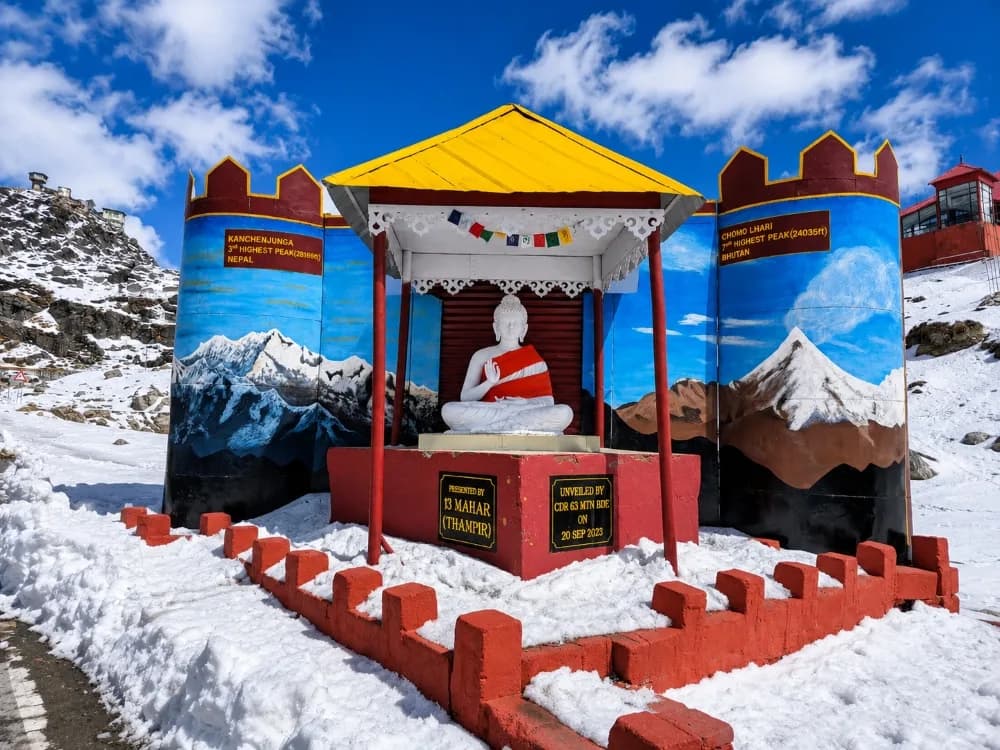
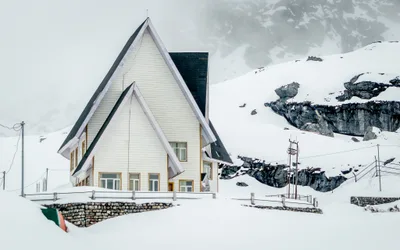
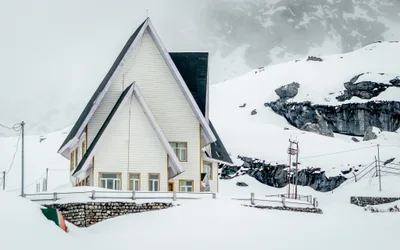
Baba Mandir honours Harbhajan Singh, a soldier of the Indian Army’s 23rd Punjab Regiment who died near Nathula in 1968. The Ministry of Tourism describes a small temple with his statue and a bed kept ready for him.
The days here stop at New Baba Mandir, the memorial on the main road. The original shrine, Old Baba Mandir, is further along the high road towards Kupup; the one-day Zuluk trip passes it.
Kupup lies beyond Baba Mandir, on the old Silk Route road to Zuluk. Its small lake is often called Elephant Lake for its shape. The Zuluk guide covers the day that stops there.
The shared day takes in Nathula, Baba Mandir and the lake in one trip, stopping at the temple and the lake on the way back down from the pass.
What should you wear and bring to Tsomgo Lake?
Warm layers in every month, shoes with a good grip, sunglasses, cash, and the same ID you gave for the permit.
The lake is about 6,500 ft (2,000 m) higher than Gangtok, so it is cold there even on a mild day in town. In the snow months, hire boots at 17th Mile rather than walking on snow and ice in town shoes. For other days out, see every day you can book from Gangtok.
Bring
- Warm layers, a hat and gloves, in any month
- Shoes with a good grip
- Sunglasses and sunscreen
- Cash for gear hire, tea, rides and the ropeway
- A refillable water bottle
- Any medicines you take
Have ready
- A month that fits what you want to see
- Every traveller’s details, added to your booking by the cut-off on the day’s page
- A Voter ID, passport or driving licence for each adult, not Aadhaar
- For foreign nationals: the entry permit, and a group of two or more
- The same ID on the day as the one you gave
Questions travellers ask
Why is Tsomgo Lake famous?
Which lake is near Nathula?
Are Tsomgo Lake and Changu Lake the same place?
Can you visit Tsomgo Lake without going to Nathula?
Are there toilets and food at the lake?
Is Tsomgo Lake open all year?
Sources & checks
- Tsomgo Lake: 12,313 ft; visiting hours 7:30 am to 4:30 pm; sacred to the Sikkimese — Incredible India, Ministry of Tourism, Government of India · checked Oct 2026
- Tsomgo Lake: hours 10 am to 4 pm through the week, permits for all visitors, foreigners in groups of two, yak and mule rides, churpi, local dress, ropeway, parking and souvenir shops — Gangtok district administration, Government of Sikkim · checked Oct 2026
- Snow lingers until the end of March in most places; heavy rain from May to early October; July the wettest month; October to mid-December the clear-view season — Sikkim Tourism, Government of Sikkim (weather page) · checked Oct 2026
- Tsomgo–Baba Mandir permit for Indian travellers; foreign tourists allowed as far as Tsomgo Lake — Sikkim Tourism, Government of Sikkim (Protected Area Permit page) · checked Oct 2026
- Baba Harbhajan Singh memorial: 23rd Punjab Regiment, 1968, the statue and the bed kept for him — Incredible India, Ministry of Tourism, Government of India · checked Oct 2026
- Gangtok station height (1,765 m) and rainy days by month, 1981–2010 — India Meteorological Department (climatological table, Gangtok) · checked Oct 2026
- Road distances from Gangtok to the lake, Nathula and Kupup — Day Trio, Distances from Gangtok (OpenStreetMap routing, October 2026) · checked Oct 2026
- The lake’s height on the listings, the 3rd Mile check post, the lake in each season as the foreign-nationals day describes it, extras paid in cash, time at the lake, toilets, and the order of stops — The days' own listings on Day Trio · checked Oct 2026
- Snow months and closures; every day running all year; ID accepted and Aadhaar refused; the permit fee for Indian travellers; foreign groups and their guide; 17th Mile gear hire and oxygen cans — First-hand: the author and the local operators who run these days · checked Oct 2026