Kathmandu for Indian Travellers: ID, Rupees, Entry Fees
Which ID gets an Indian traveller onto a flight to Nepal, which Indian notes you can carry, what Kathmandu’s heritage sites charge Indians, and three days you can book.
The short answer
Indians need no visa for Nepal. To fly, carry a passport or an original Voter ID, as Aadhaar isn’t accepted, and expect SAARC rates at most heritage sites.
- Only two IDs work on a flight between India and Nepal: a valid Indian passport, or an original Election Commission Voter ID card. A downloaded or printed voter card is refused.
- Indian notes of 100 and below have long been fine in Nepal. The newer 200 and 500 notes are now allowed too, up to a limit per person, though some shops still refuse them. Many shops take UPI.
- Pashupatinath is free for Indian nationals. Boudhanath, Swayambhunath and Bhaktapur charge Indians the SAARC rate, well below what other foreigners pay.
- Tickets are never in a day’s price: the sacred heritage day, Bhaktapur and Chandragiri all leave them to you.
Trips you can book for this
Entry fees and ID rules here were checked on 27 October 2026 on the official pages listed under Sources.
Quick facts
Checked Oct 2026
- Visa
- Not needed for Indian citizens
- ID to fly
- Passport or original Voter ID card only
- Not accepted
- Aadhaar, PAN, driving licence, a printed e-voter card
- Indian cash
- Notes of 100 or less; 200s and 500s from the 2016 series are allowed, but some shops refuse them
- Entry fees
- SAARC rate for Indians; Pashupatinath free for Indian nationals
- Paying by phone
- UPI works at many QR counters
Which documents does an Indian need to visit Nepal?
A valid Indian passport or an original Voter ID card. The Indian Embassy in Kathmandu names only these two for flights between India and Nepal.
Aadhaar, a PAN card, a driving licence and an Embassy registration certificate are all refused. So is a voter card downloaded or printed from the internet: it has to be the original card. Plenty of older pages still list Aadhaar, so go by the Embassy’s page, which it last updated on 27 October 2026.
You don’t need a visa. Nepal’s immigration office at Kathmandu airport lists Indian citizens as needing no visa, with a passport or Voter ID card as proof of nationality.
For children, the same office lists a birth certificate for minors, and a school identity card for under-18s travelling with their parents. The Embassy’s page sets no separate rule for children. Families usually carry the child’s passport or birth certificate, operators say. Airlines check papers at their own counters, so ask yours what it accepts for a child.
Both official pages are written for air travel. Coming by road? A passport or an original Voter ID is still the simplest ID to carry, as it is the one the Embassy names.
Can you use Indian currency in Nepal?
Yes. Indian notes of 100 and below have long been fine. Nepal Rastra Bank now also allows the newer 200 and 500 notes, up to a limit per person.
Nepali news sites reported the change in July 2026, citing a Nepal Rastra Bank notice. It covers 200 and 500 notes issued from 9 November 2016, the series India printed after demonetisation. The old 500 and 1,000 notes from before that date are still not allowed, and neither are 2000 notes.
In practice, some shops still refuse 200 and 500 notes, operators say, so carry notes of 100 or less as well.
Indian cash you may carry in Nepal: notes of ₹100 or less, plus ₹200 and ₹500 notes issued from 9 November 2016, up to ₹25,000 per person; ₹2,000 notes not allowed (Nepal Rastra Bank notice, as reported on 24 July 2026) · checked Oct 2026
Prices in Nepal are quoted in Nepali rupees. The Nepali rupee is tied to the Indian rupee, so Nepal Rastra Bank’s rate barely moves from one year to the next.
Nepal Rastra Bank’s rate for ₹100: NPR 160 to buy, NPR 160.15 to sell (as reported on 24 September 2026) · checked Oct 2026
Many shops and taxis will take Indian rupees, operators say, but usually at a worse rate than that. Change some money at a bank or money changer, or pay by phone.
You can often pay by phone instead. In October 2026, The Kathmandu Post reported Indian visitors paying with UPI apps by scanning Fonepay QR codes, from shops near Pashupatinath to Chandragiri Hills.
What do Kathmandu’s tourist places charge Indians?
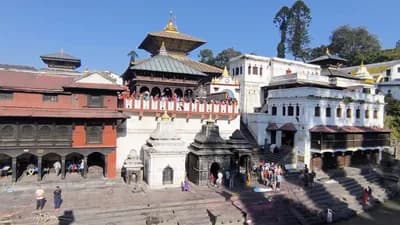
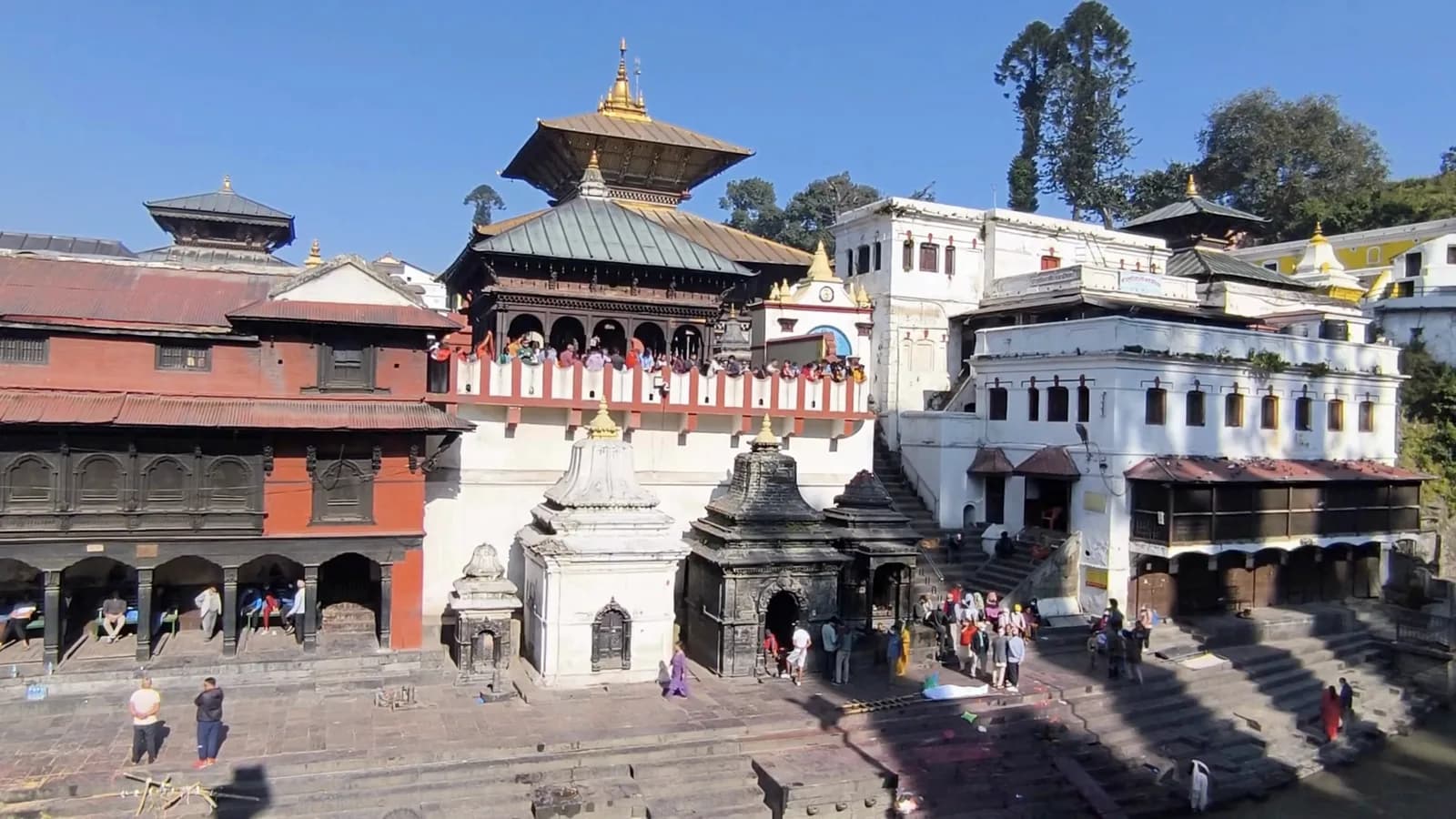
Indian nationals enter Pashupatinath free. At Boudhanath, Swayambhunath and Bhaktapur Durbar Square, Indians pay the SAARC rate, which is well below the rate for other foreigners.
These are the Nepal Tourism Board’s listed fees, in Nepali rupees, checked on 27 October 2026. The Board says its figures come from the departments concerned and may change, so pay what the counter shows on the day.
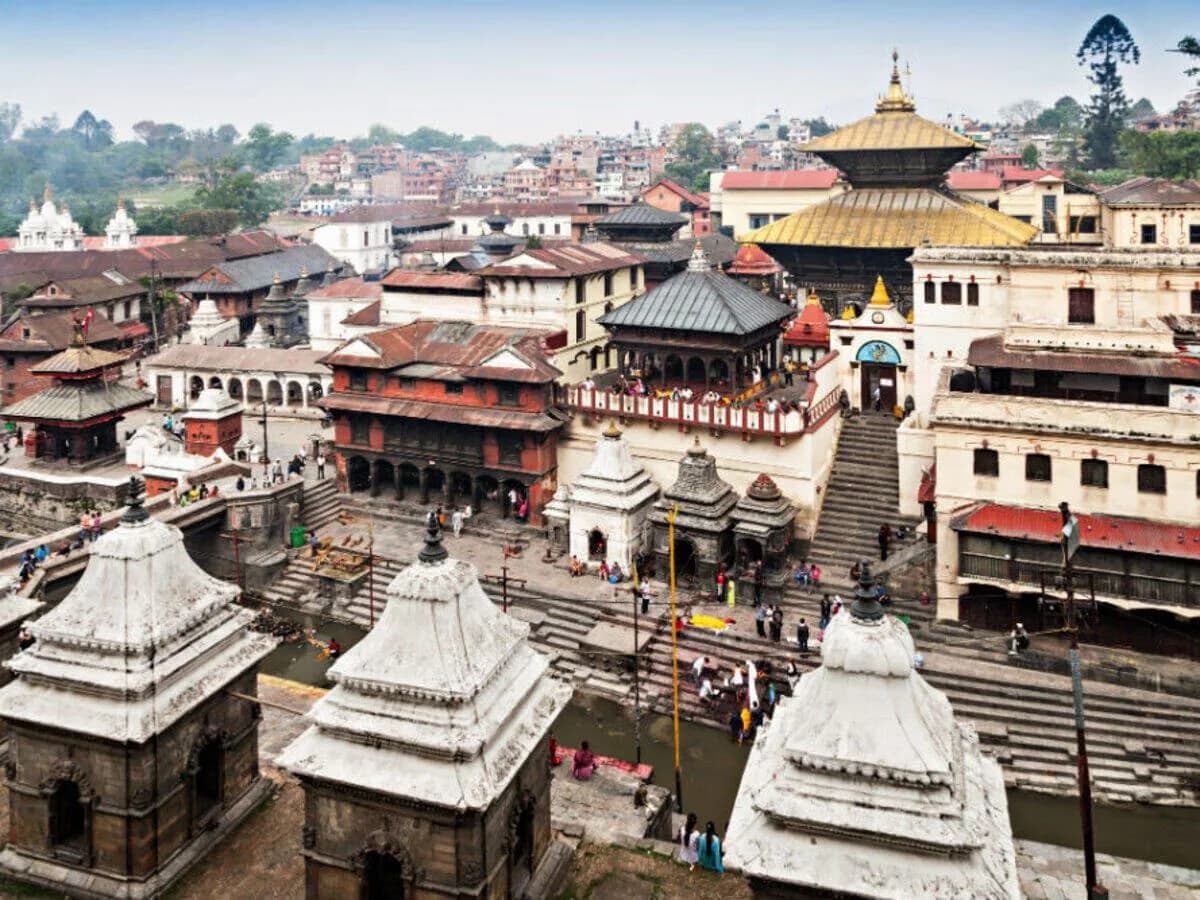
Pashupatinath Temple: free for Indian nationals and Nepalis; other SAARC nationals NPR 1,000; other foreign nationals NPR 1,000 per day per entry (Nepal Tourism Board) · checked Oct 2026
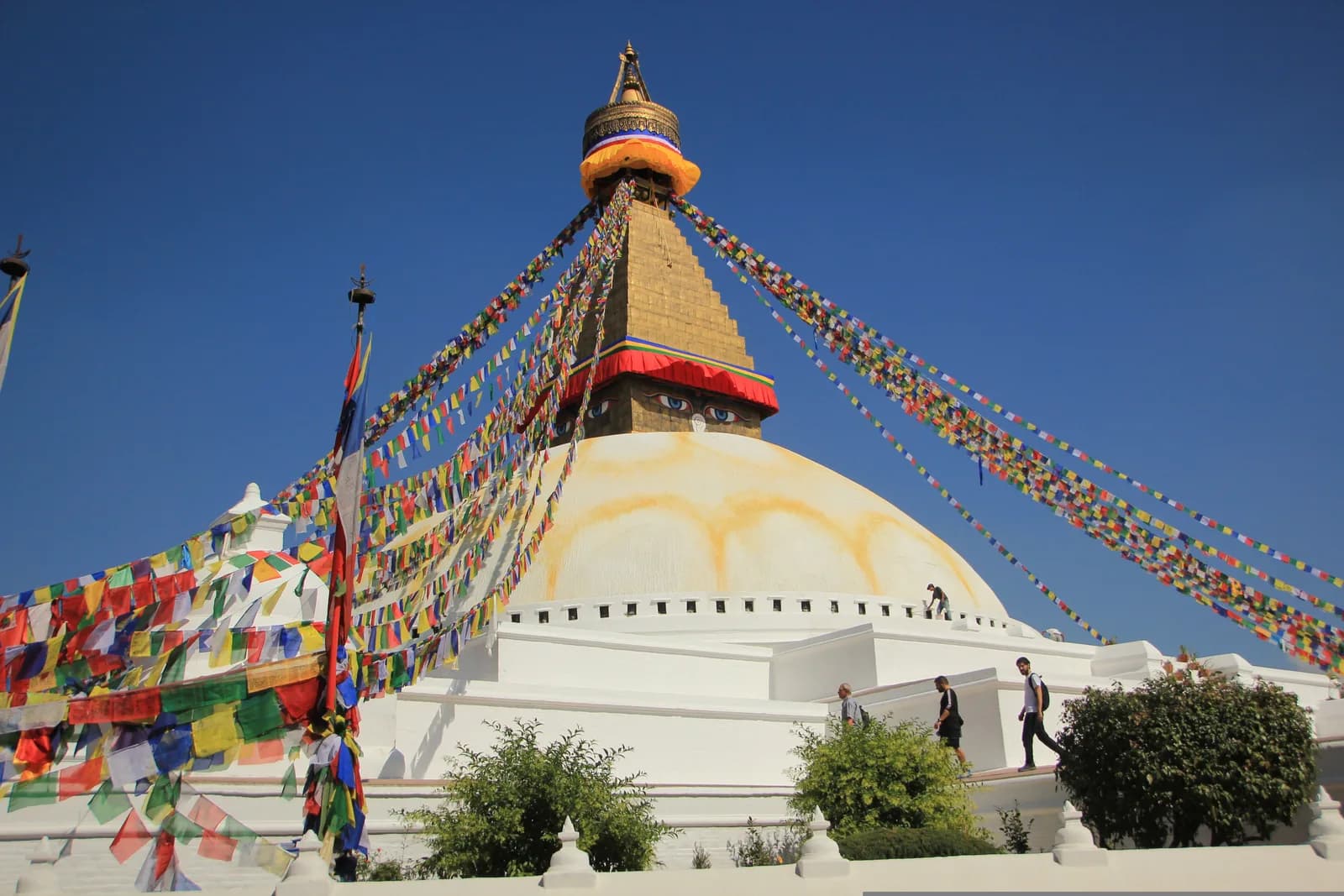
Boudha (Boudhanath) Stupa: SAARC nationals, Indians included, NPR 100; other foreign nationals NPR 400; Nepalis and under-10s free (Nepal Tourism Board) · checked Oct 2026
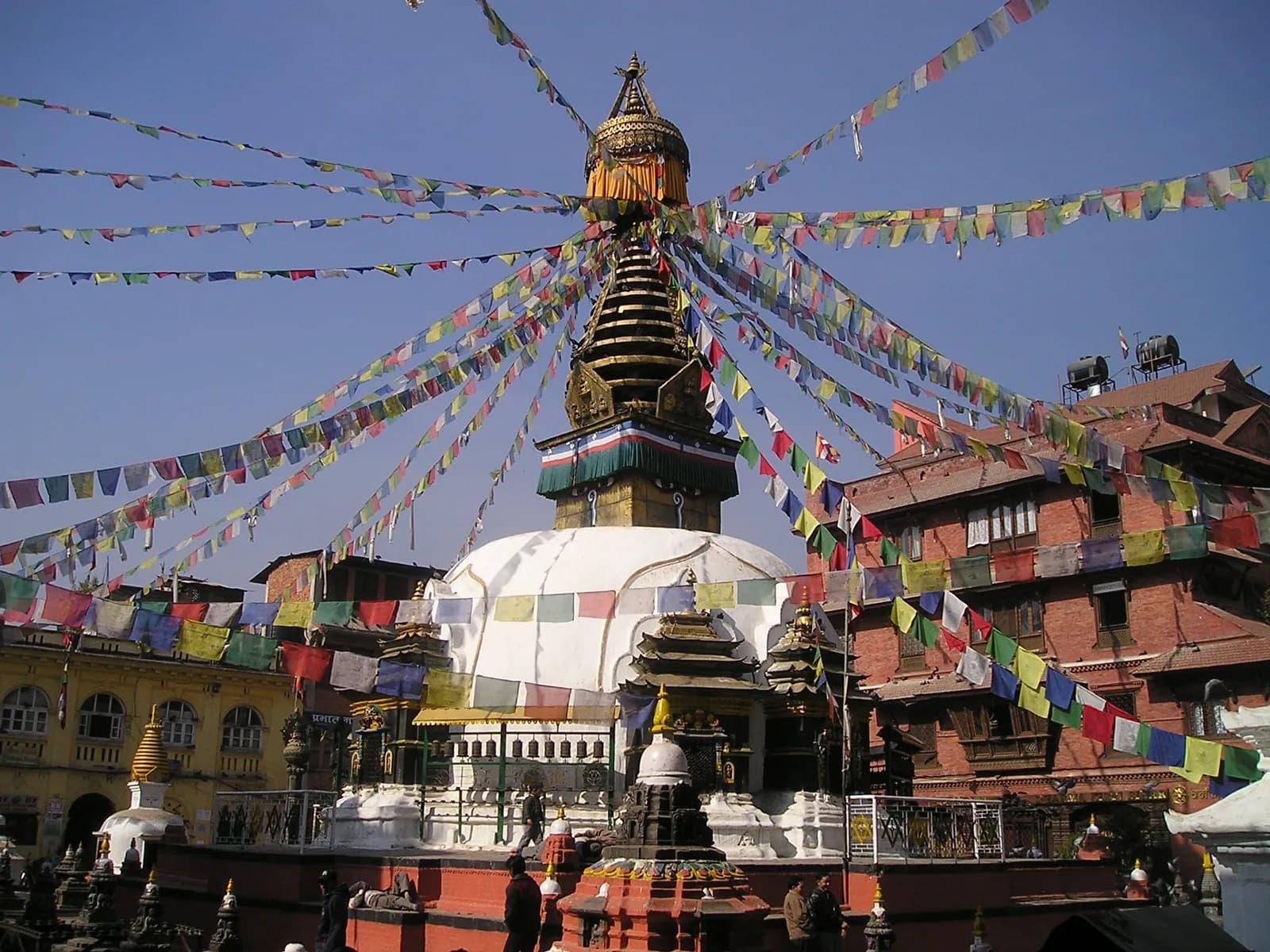
Swayambhu (Swayambhunath) Stupa: SAARC nationals, Indians included, NPR 50; other foreign nationals NPR 200; Nepalis and under-10s free (Nepal Tourism Board) · checked Oct 2026
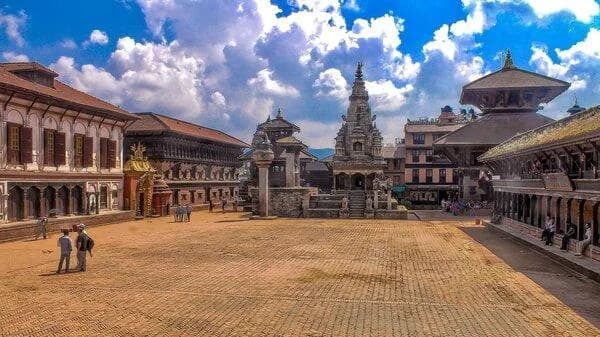
Bhaktapur Durbar Square: SAARC nationals, Indians included, NPR 500; other foreign nationals US$18 or NPR 1,800; Nepalis and under-10s free (Nepal Tourism Board) · checked Oct 2026
Chandragiri cable car, return: SAARC nationals, Indians included, ₹950, priced in Indian rupees and paid in Nepali rupees at the counter; Nepalis NPR 850; other foreign nationals US$23 (Chandragiri Hills) · checked Oct 2026
Kathmandu Durbar Square, which none of these three days visits: SAARC nationals, Indians included, NPR 500; other foreign nationals NPR 1,000; under-10s free (Nepal Tourism Board) · checked Oct 2026
Guhyeshwari Temple and the Sleeping Vishnu at Budhanilkantha, both on the sacred heritage day, are not on the Board’s fee list.
None of these tickets is part of a day’s price. The three Kathmandu listings leave the monument, park or cable car tickets for you to pay on the spot.
Which Kathmandu tourist places can you see in one day?
Five well-known places, on the sacred heritage day: Pashupatinath, Guhyeshwari, Boudhanath Stupa, Budhanilkantha’s Sleeping Vishnu and Swayambhunath. It takes about eight and a half hours.
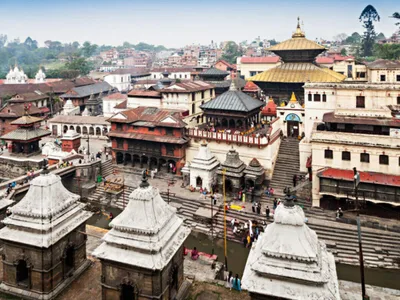
The day begins at Pashupatinath on the Bagmati, then Guhyeshwari close by. For the temple’s hours, the evening aarti and who may enter the main shrine, see Pashupatinath: aarti time, dress code and who can enter.
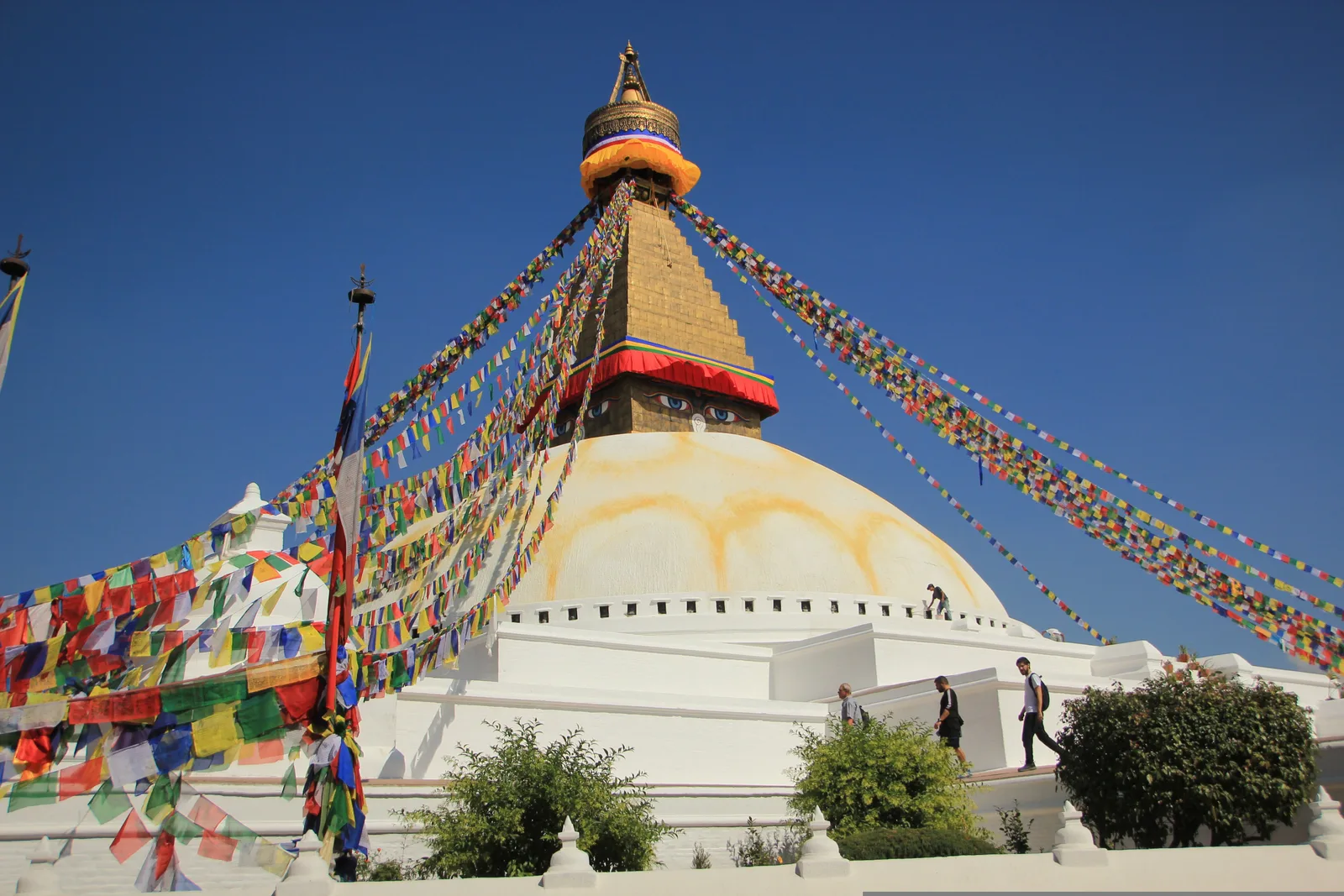
At Boudhanath Stupa you walk around the great white dome with the pilgrims, turning prayer wheels as you go. The Sleeping Vishnu at Budhanilkantha is a stone figure of Vishnu lying on a bed of serpents in a pool of water.
The day ends at Swayambhunath, a stupa on a hill with views across the valley and its famous monkeys. You travel in a private vehicle, with pickup from and drop-off at your hotel.
The listing asks for shoulders and knees to be covered at the religious sites. It also says the sacred heritage day doesn’t suit pregnant women or wheelchair users.
A trip you can book
 KathmanduKathmandu’s Sacred Heritage & Spiritual WondersFull dayHotel pickupFull refund up to 24 hours beforefrom $38per vehicleSee the trip →
Is Bhaktapur Durbar Square worth a day from Kathmandu?
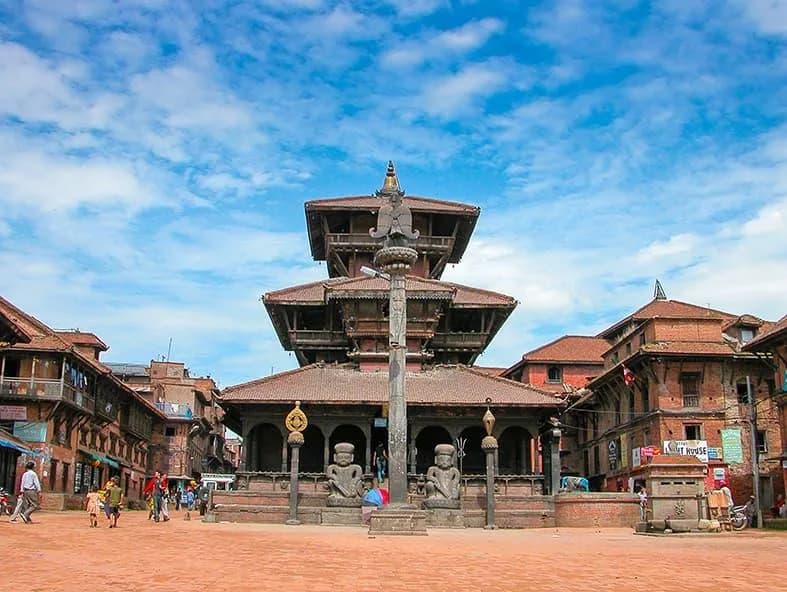
Yes, if you love old buildings and crafts. It is a UNESCO World Heritage site about 13 km east of central Kathmandu, with palaces and temples from the time of the Malla kings.
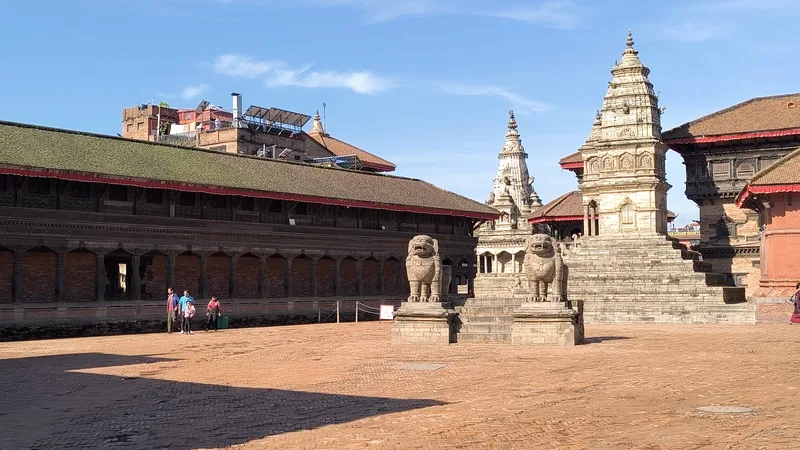
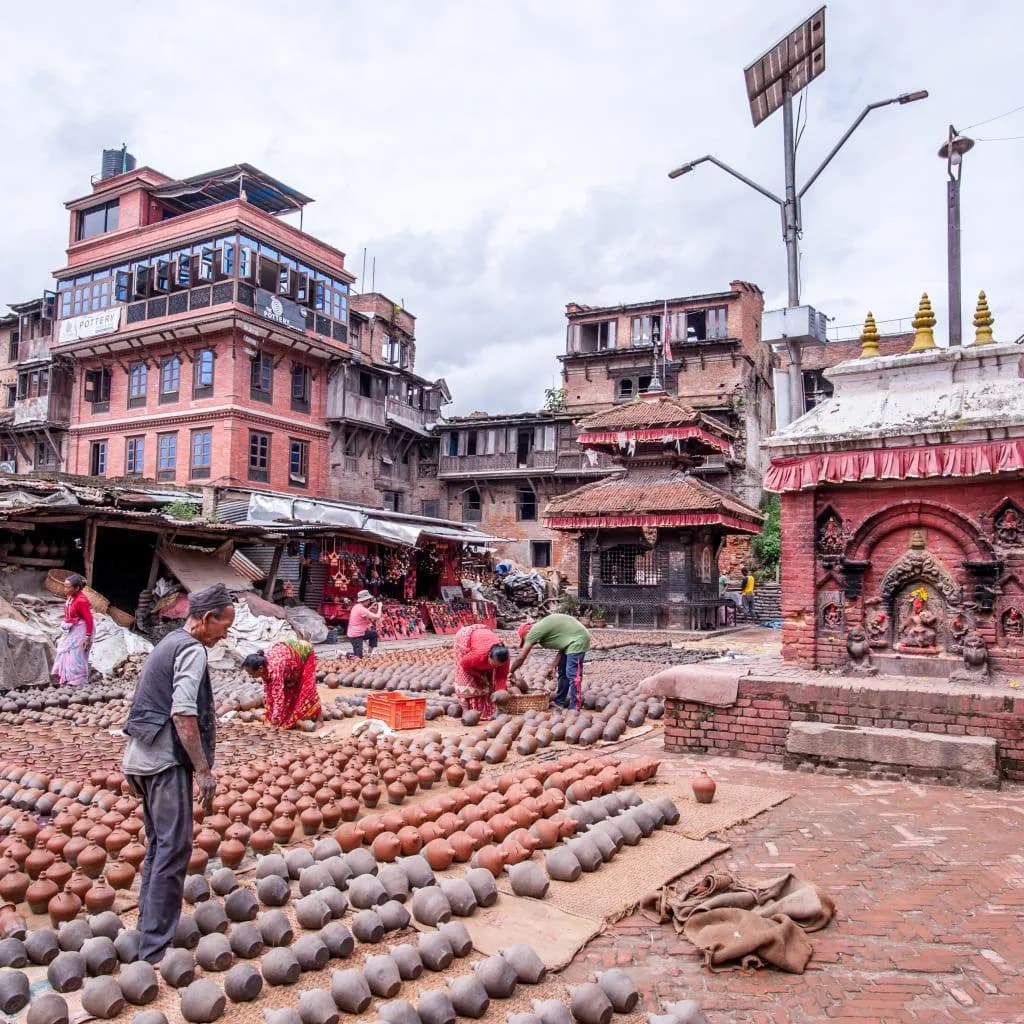
Expect carved wooden windows, stone courtyards and temples such as Nyatapola and Bhairavnath, and squares where potters and woodcarvers still work. Families live right beside the monuments, so the old town feels lived in.
It is a walking day, on uneven stone and steep steps in places, so wear comfortable shoes. The listing leaves out a local guide, the entry ticket and tips.
The Bhaktapur day runs in a private vehicle sized to your group, with hotel pickup and drop-off.
A trip you can book
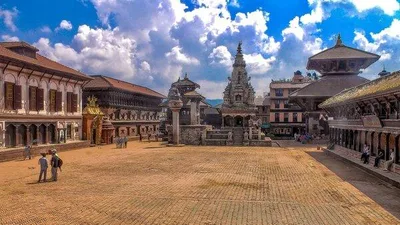 KathmanduBhaktapur Durbar Square: Medieval Newari HeritageFull dayHotel pickupFull refund up to 24 hours beforefrom $39per vehicleSee the trip →
How does the Chandragiri cable car work for Indians?
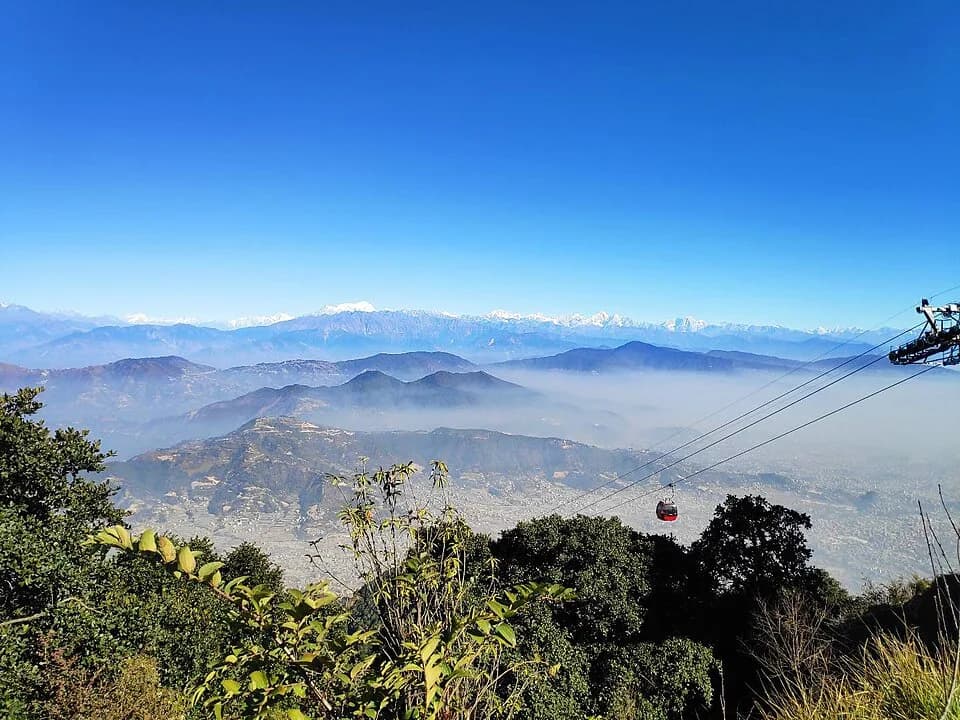
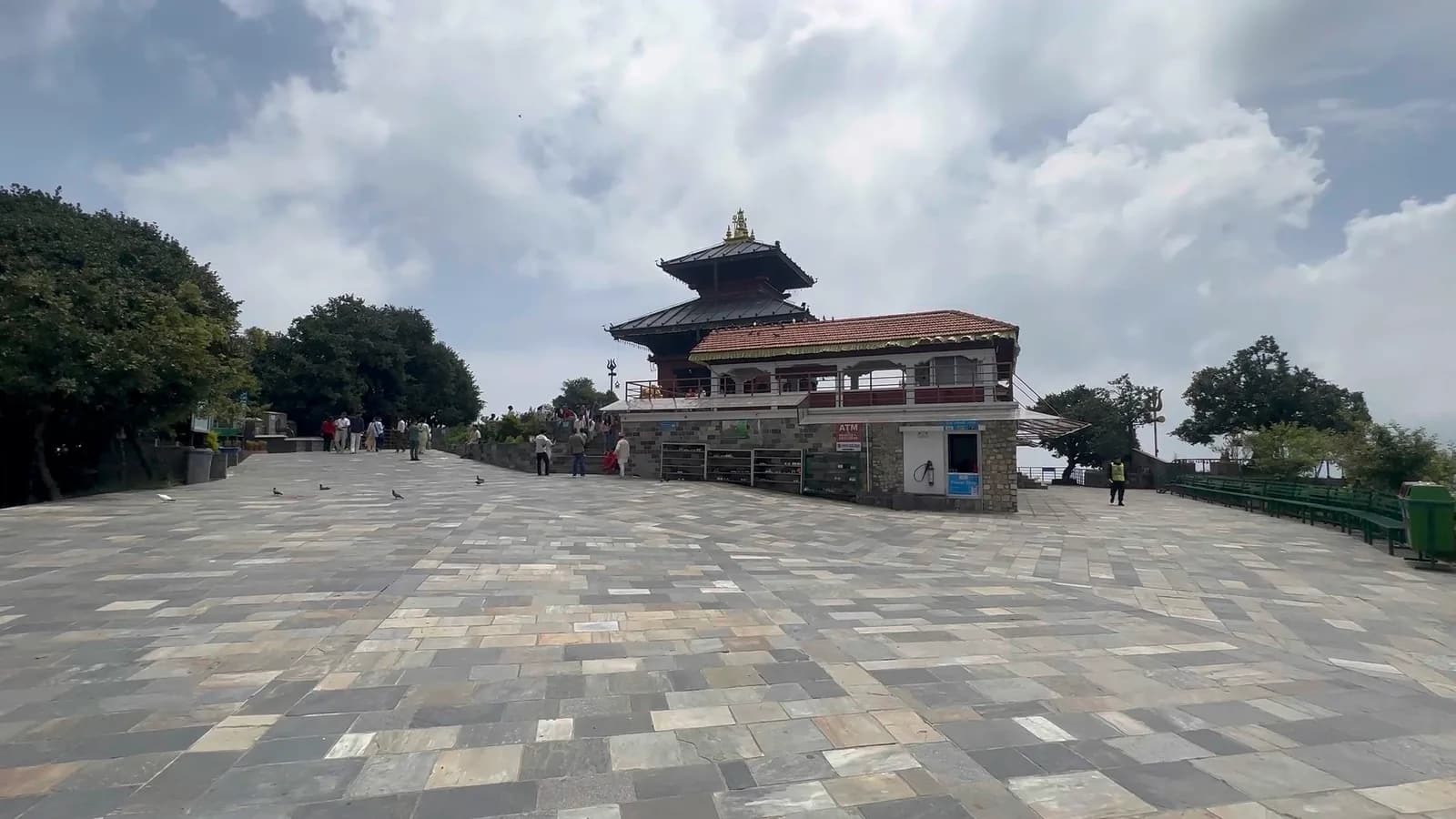
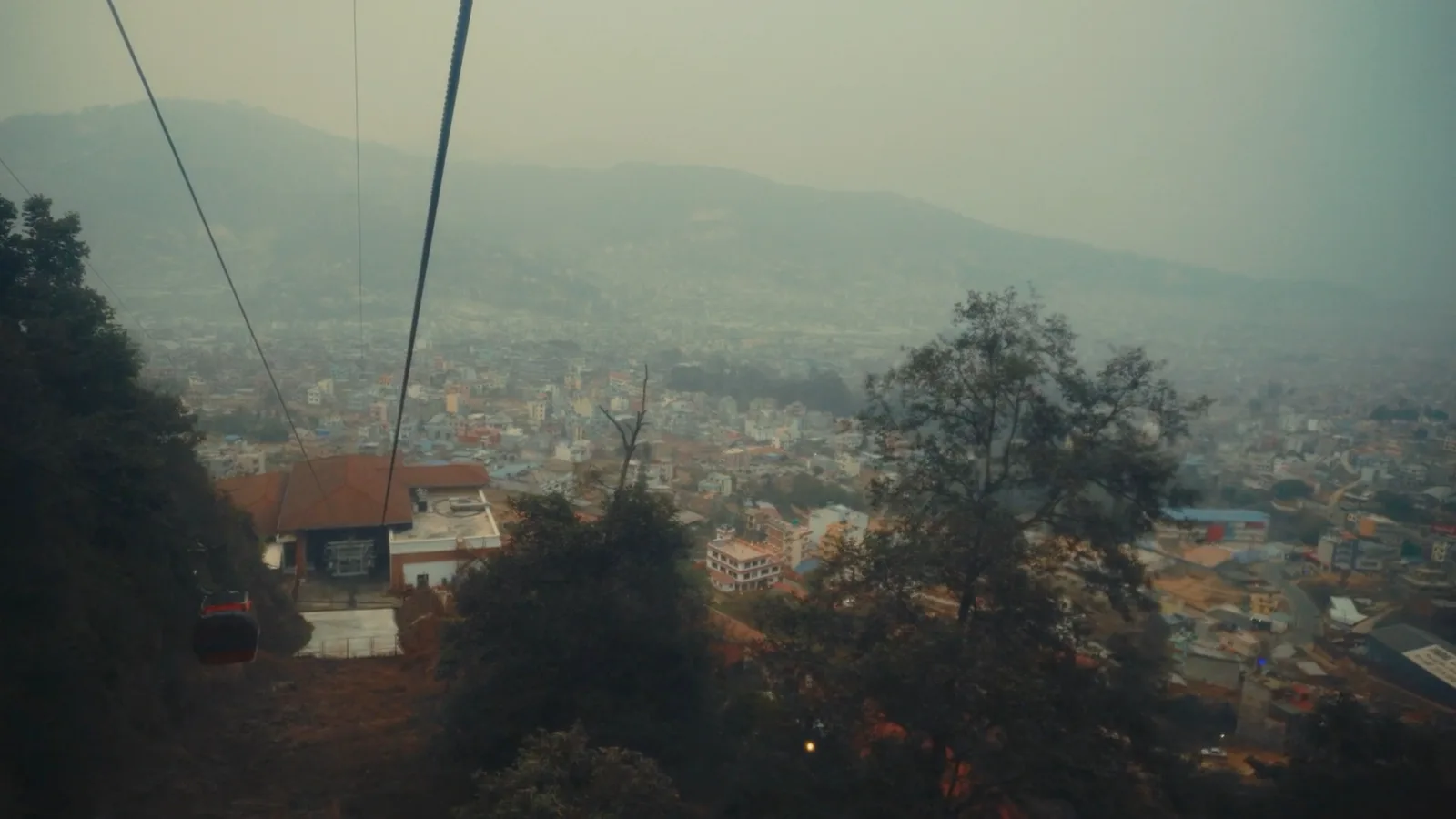
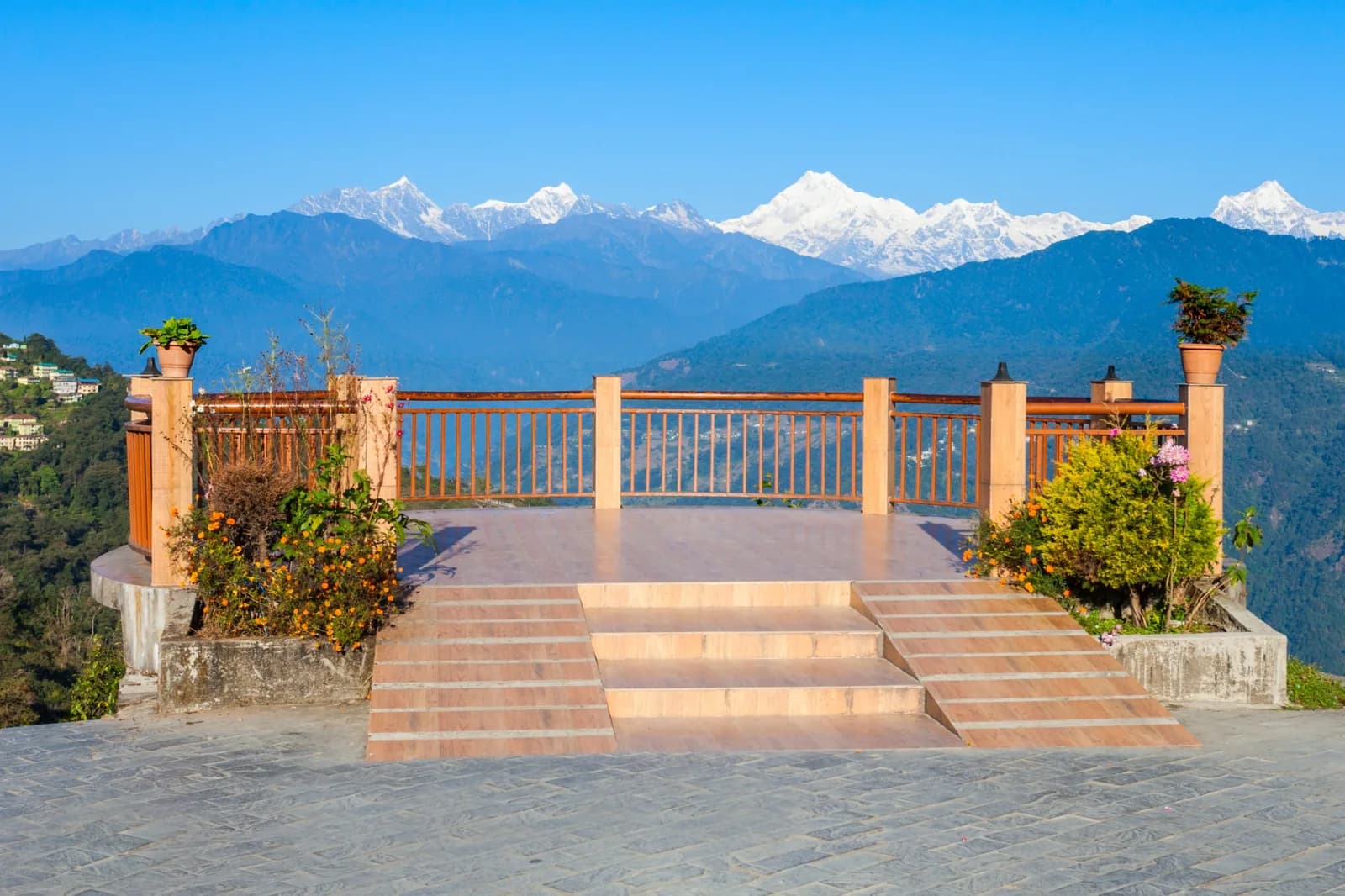
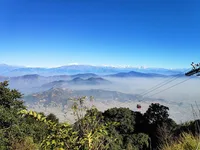
Indians pay the SAARC fare, priced in Indian rupees, for a ride of about 10 minutes up to 8,370 ft (2,551 m) on Chandragiri Hills, southwest of Kathmandu.
The cable car stops for lunch from noon to 1 pm, Sunday to Friday, and runs until 8 pm on Saturdays. Fares, hours and what is at the top are in Chandragiri cable car: ticket prices and timings.
The Chandragiri day takes you from your hotel to the bottom station at Thankot and back, in about four hours. The cable car ticket is not in its price.
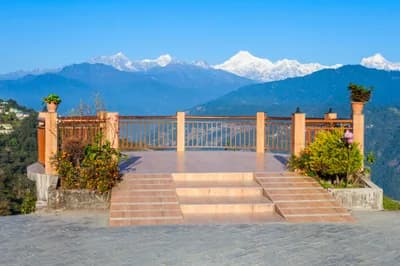
On a clear day you can see snow peaks from the top. The Chandragiri Hills site says the dry months give the clearest views.
A trip you can book
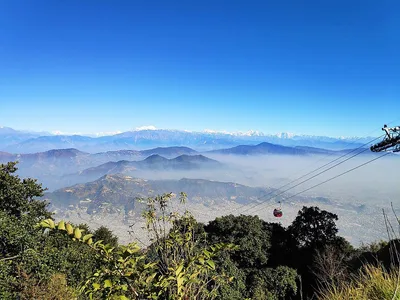 KathmanduSoar Above Kathmandu: Chandragiri Cable CarHalf dayHotel pickupFull refund up to 24 hours beforefrom $29per vehicleSee the trip →
What should you have ready before you fly to Kathmandu?
Your passport or original Voter ID card, some Indian cash in notes Nepal accepts, and a UPI app as a back-up.
For everything else you can book in and around the city, see things to do in Kathmandu.
Bring
- A passport or the original Voter ID card for every adult
- For each child: their passport or birth certificate, and a school ID if under 18
- Indian cash, mostly in notes of 100 or less: some shops refuse 200s and 500s
- A UPI app linked to your bank account
- Clothes that cover shoulders and knees, for the temples
- Comfortable shoes for stone steps and courtyards
Have ready
- Your airline’s rules for a child’s ID, checked before you fly
- Money for entry and cable car tickets, on top of the day’s price
- Your passport or Voter ID at every ticket counter, for the SAARC rate
- A dry, clear day in mind for Chandragiri
Questions travellers ask
Is a downloaded or printed voter ID accepted for a flight to Nepal?
Can I use Indian 2000 notes in Nepal?
Does UPI work in Kathmandu?
Do Indians pay to enter Pashupatinath?
Is the SAARC rate the same as the rate for Indians?
Is Kathmandu Durbar Square on any of these days?
Sources & checks
- Valid travel documents for Indians flying between India and Nepal: passport or original Voter ID only; Aadhaar, PAN, driving licence, Embassy registration and downloaded voter cards refused — Embassy of India, Kathmandu · checked Oct 2026
- No visa for Indian citizens; passport or Voter ID as proof of nationality; birth certificate for minors; school ID for under-18s with parents — Tribhuvan International Airport Immigration Office, Department of Immigration, Government of Nepal · checked Oct 2026
- Heritage site entry fees: Pashupatinath, Boudha, Swayambhu, Bhaktapur and Kathmandu Durbar Squares — Nepal Tourism Board · checked Oct 2026
- Cable car fares by nationality, hours and ride time — Chandragiri Hills · checked Oct 2026
- Indian 200 and 500 notes allowed up to a per-person limit (news report of a Nepal Rastra Bank notice, 24 July 2026) — B360 Nepal · checked Oct 2026
- Indian 200 and 500 notes allowed; 2000 notes still not allowed (news report, 24 July 2026) — Ratopati · checked Oct 2026
- Nepal Rastra Bank’s exchange rate for the Indian rupee (news report of the bank’s daily rates, 24 September 2026) — Ratopati · checked Oct 2026
- Indian visitors paying by UPI through Fonepay QR codes (news report, 9 October 2026) — The Kathmandu Post · checked Oct 2026
- Stops, what is included and left out, what to bring, dress and who each Kathmandu day is not suited to — The days' own listings on Day Trio · checked Oct 2026
- Some shops refusing 200 and 500 notes; shops and taxis taking Indian rupees at a worse rate; ID asked for at ticket counters; the IDs families carry for children — First-hand: the author and the operators who run these days · checked Oct 2026